
The surest sign that we’re officially done with the holidays has been the staging of Consumer Electronics Show, which gathers executives flush with year-end bonuses in Las Vegas and plops them into a dazzling celebration of everything new and exciting in tech and enough open bars to push a preponderance of them to drop a significant chunk of said bonus on a failed blackjack or roulette wager. Thankfully, most of them are there on their respective companies’ dimes, so at least the sting of a $400 room and a $40 omelette doesn’t hit their personal accounts.
 This rite of the season was disrupted for a while by COVID and the subsequent paranoia, so we celebrated the quasi return to normalcy in a musing just about three years ago. We made note of the fact that the term “AI” and something called Chat GPT were being hyped and touted, but at the time many so-called experts from established entities like CNET were, to be kind, dubious of their potential impact. How quaint that assessment looks now, especially in the wake of what’s been on display this week. TECH REPUBLIC’s Liz Tijong took note in the preview she dropped on Monday:
CES 2026 is opening at a time when the tech industry has stopped talking about what might be possible. Now it’s about what actually works. Artificial intelligence is no longer a side act or a speculative bet. Its infrastructure is baked into devices, platforms, and workflows that are expected to deliver measurable value. As companies take the stage in Las Vegas, the focus is shifting from concept demos to deployable products… from hype to execution.
Among the dimes that Tijong has already dropped included the following:
- Boston Dynamics and Google DeepMind are teaming up to push humanoid robots into a new AI era. The partnership will pair Boston Dynamics’ Atlas humanoid with Google DeepMind’s Gemini Robotics foundation models, aiming to give robots stronger perception, reasoning, and tool-use capabilities. Joint research using a new fleet of Atlas robots is set to begin this year, with early focus on industrial and manufacturing tasks.
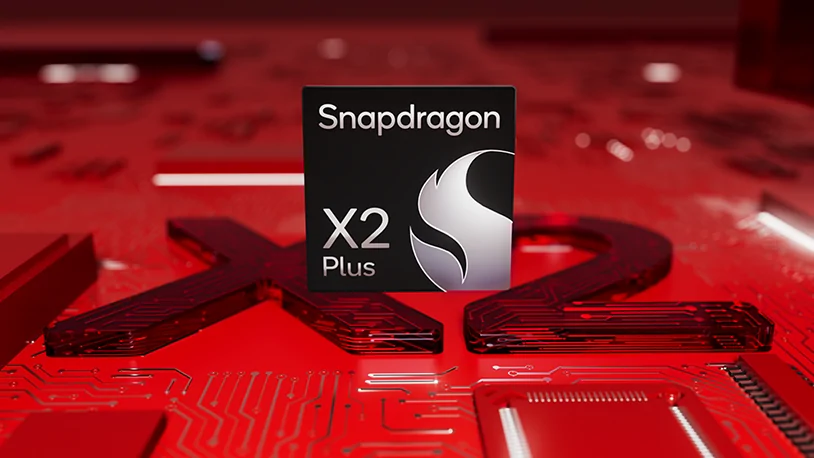 Qualcomm introduced the Snapdragon X2 Plus, a more affordable addition to its Snapdragon X2 lineup. The new processor caters to professionals, creators, and everyday users seeking robust performance, integrated AI capabilities, and extended battery life at an affordable price. Qualcomm said select devices from leading OEM partners are expected to shift in the first half of 2026, expanding the reach of its next-generation PC platform.
And within our own lane came these from some familiar hardware manufacturers :
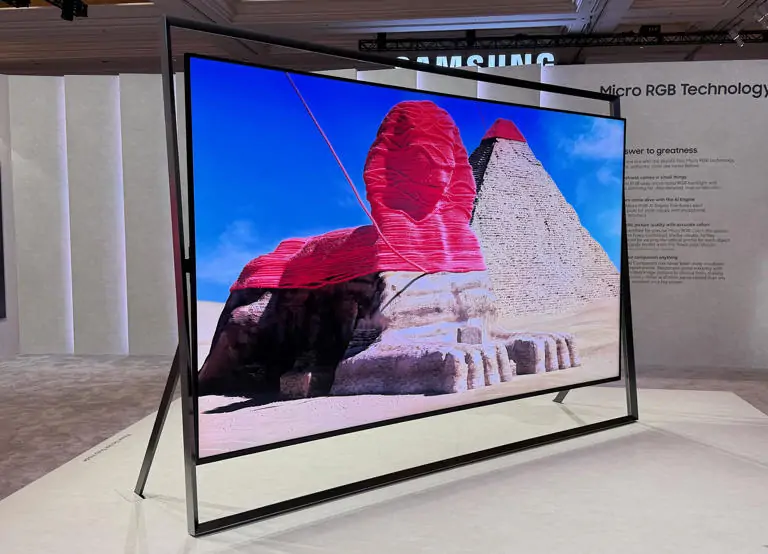 Samsung is using CES to push the limits of what a TV can be, unveiling a massive new flagship display. The tech company introduced the world’s first 130-inch Micro RGB TV, pairing next-generation color technology with a bold, gallery-style design meant to make the screen feel more like an architectural feature than a traditional television. Samsung says the ultra-premium display combines AI-powered picture processing, full BT.2020 color coverage, and glare-free viewing, with the new model set to anchor its highest-end lineup.
- Google just announced the expansion of Google TV beyond simple streaming with a major Gemini AI upgrade that brings creative tools like Nano Banana and Veo directly to the big screen. With these AI models, users can reimagine personal photos or generate original visuals right on their TV, turning a traditional living room experience into an interactive creative space. Gemini also adds richer responses with imagery and videos, natural language control for settings, and deeper integration with Google Photos — all pointing to a future where your TV isn’t just smart, it’s imaginatively generative.
ENGADGET’s Georgie Peru chimed in with this:
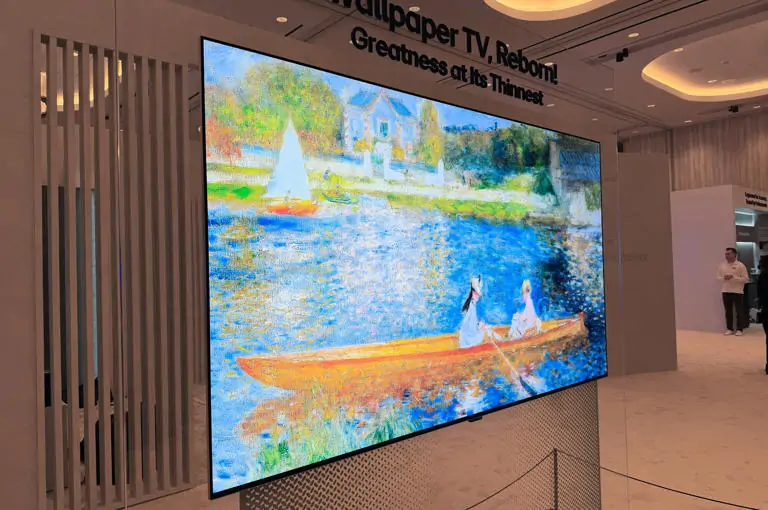 LG’s OLED evo W6 Wallpaper TV makes a striking return at CES 2026, and this year’s version manages to blend design flair with high-end performance. The panel itself is an astonishing 9mm thick, designed to sit almost flush against a wall, and pairs with a Zero Connect Box that hosts all inputs and delivers wireless video feeds up to 10 meters away. Under the ultra-thin exterior, the W6 uses LG’s Hyper Radiant Color technology coupled with Brightness Booster Ultra to push improved brightness and color saturation compared with previous Wallpaper models. It also received Intertek’s “Reflection Free with Premium” certification, indicating some of the lowest reflectance levels yet on an OLED TV. Gaming shooters and fast action fans might appreciate support for up to 165Hz refresh rates and both G-SYNC and FreeSync Premium compatibility, making this one of the most technically ambitious Wallpaper designs LG has shown.
It all looks very pretty and “blowaway”, and I suspect many of those expense-account propped-up executives were lining up to plunk down downpayments for these sexy screens with their winnings. But for those said expense account owners who work for software suppliers, all of this AI expansion points to further diminishing and fractionalization of audiences, which means lower revenues for their employers. And that leads to beancounters and shareholders figuring out where to cut corners. Which means that more than a few of them are likely to be replaced by something like those aforementioned humanoid robots in the not too distant future.
Those in attendance heard that Darwinian outlook directly from the lips of someone who knows a certain kind of chip far more valuable than the ones in casinos, and who can actually afford Vegas prices on his own. Again per Tijong:
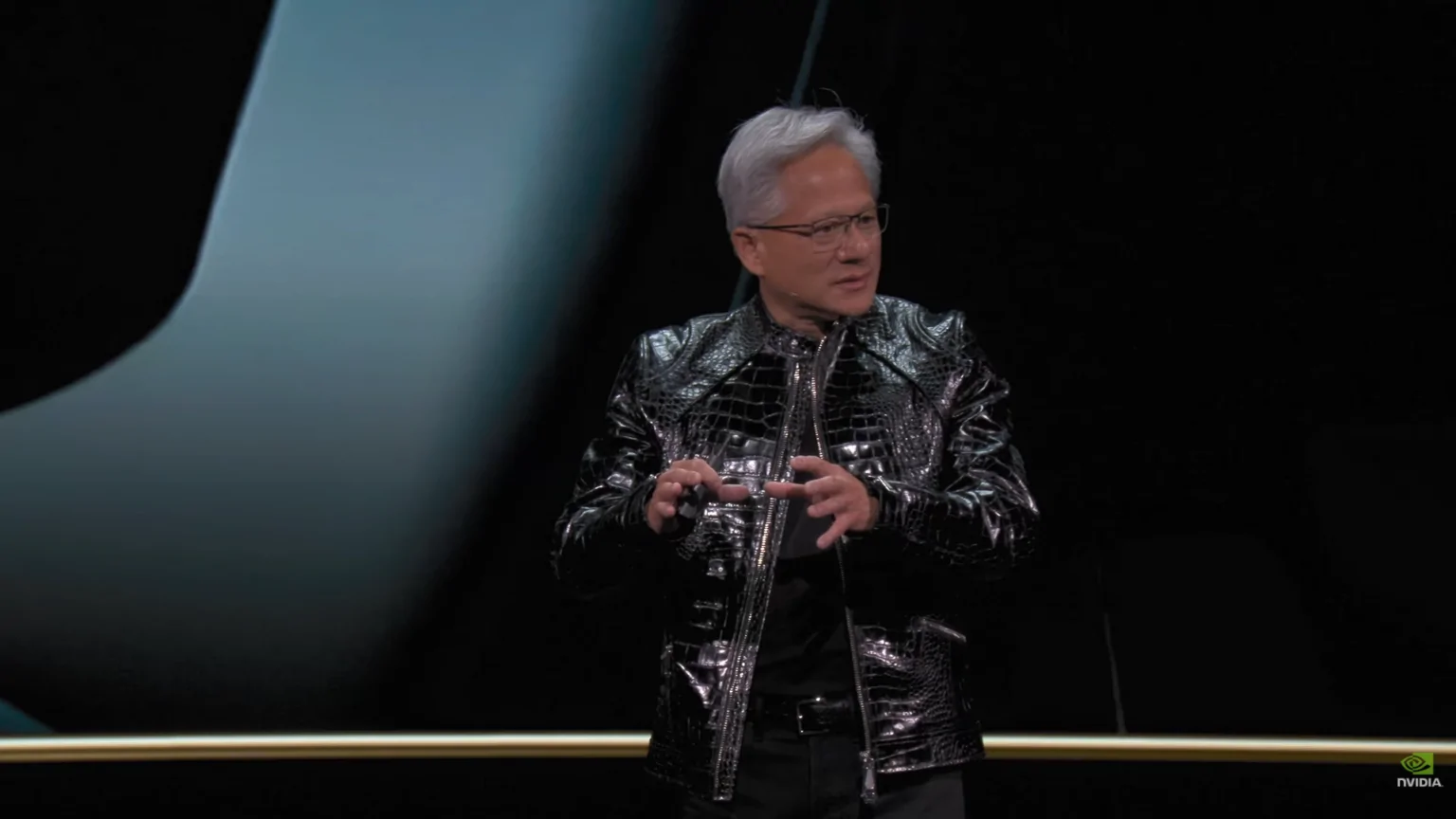 Nvidia’s CES keynote landed with a blunt message: the future of AI will be decided by compute, not creativity… CEO Jensen Huang warned that reasoning models, long-context inference, and physical AI are driving explosive demand for power, memory, and networking. He framed Nvidia’s response as a shift from selling chips to building full AI systems, while highlighting agentic AI, simulation-driven physical intelligence, and always-on autonomy as forces pushing infrastructure to its limits.
Maybe that’s why one of my former employers who traditionally has used the excuse of CES to stage impromptu meetings with clients is moving into a new lane of their own:
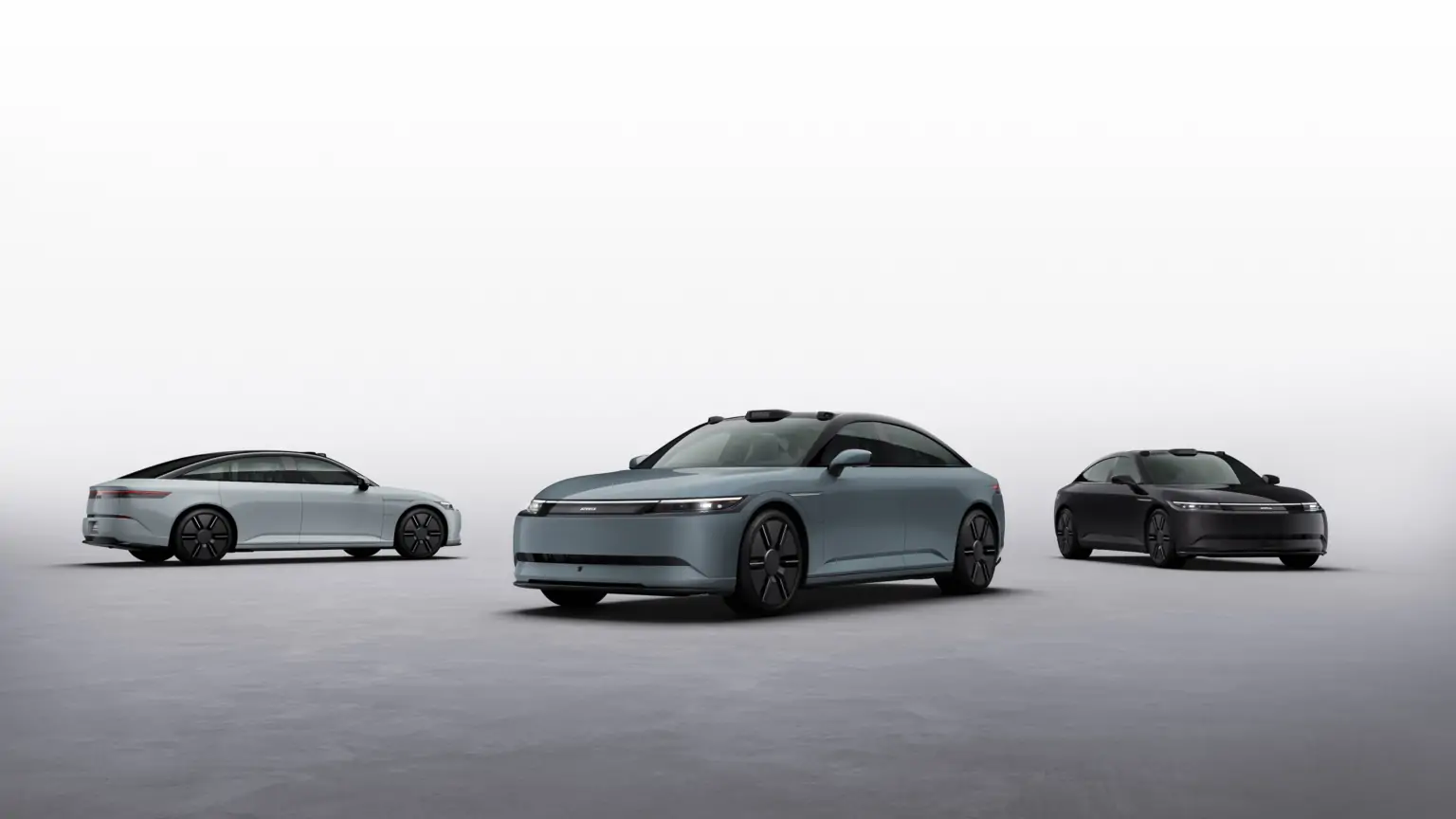 Sony and Honda’s joint mobility venture is bringing its AFEELA concept closer to the road. Sony Honda Mobility revealed a new AFEELA Prototype 2026 and confirmed that customer deliveries of its first production model, AFEELA 1, are set to begin in California later this year. Company executives outlined a software-driven approach centered on vehicle AI, in-car entertainment, and partnerships with firms like Qualcomm, positioning the car as a connected, interactive space rather than a traditional vehicle.
There could be a silver lining to that pivot–after all, if you’ve been fortunate enough to have had the experience of driving or riding in a later model “traditional vehicle” you already know that you’re never not capable of consuming content. God bless you Carplay and similar apps that have made even the most daunting commutes a lot less aggravating than they’ve tended to be in the past. Anything that can expand upon that revelation is OK in my book.
Now if someone can actually figure out how to accurately measure and monetize that incremental consumption at least as well as they are on a device that’s not changing its location every second, who knows what kind of upside there could be? Eyeballs are eyeballs even if they’re in a passenger seat, and even drivers merely listening (we hope) are as viable an incremental audience as are multitaskers in mancaves.
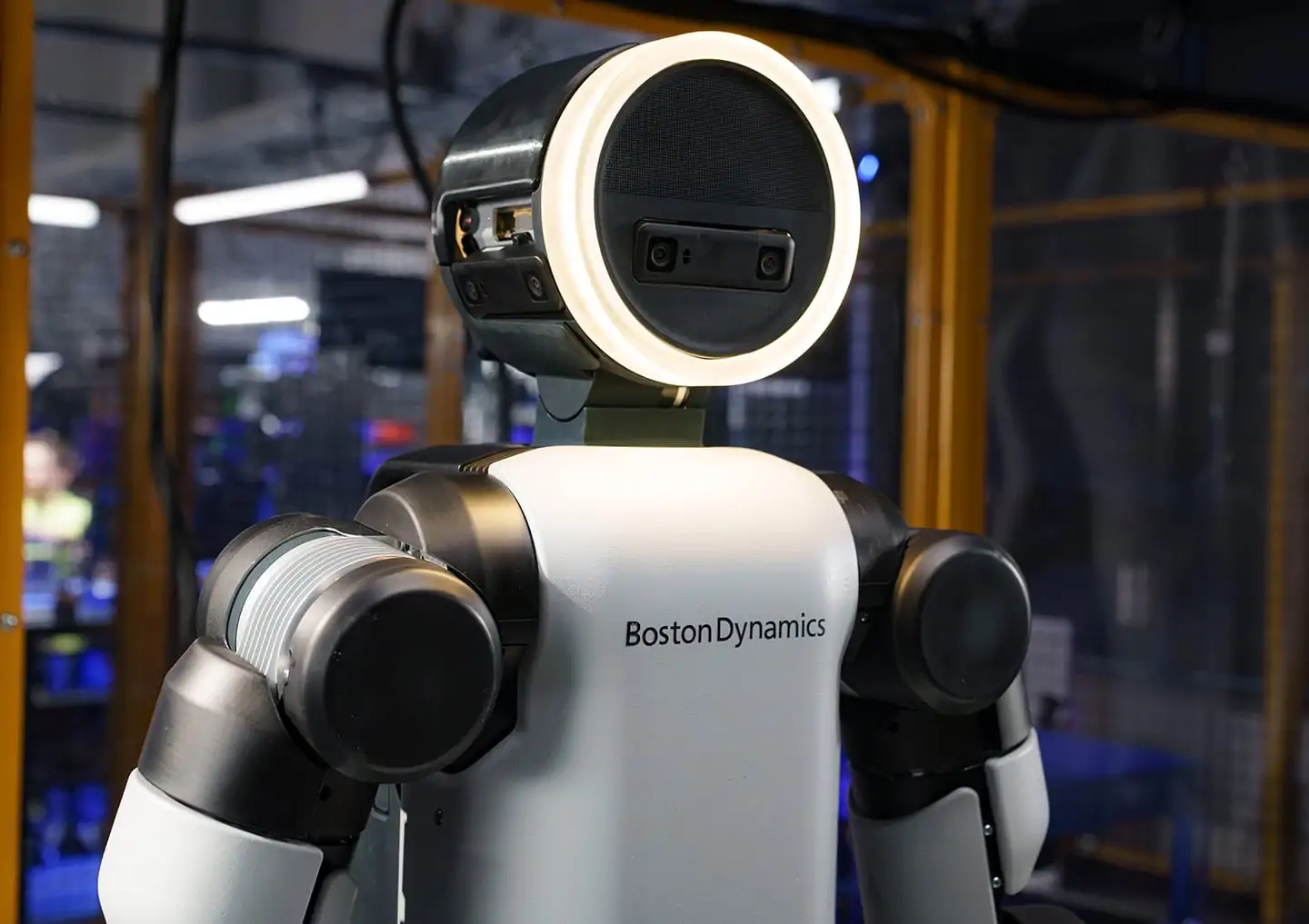 Perhaps some of those meetings are actually happening this week–maybe even a few impromptu ones over a few $25 cocktails since there’s an awful lot of humans with badges in attendance. I sure hope they are occurring and bearing fruit. I wouldn’t want to be in the position of having to wine and dine Atlas–or have it replace me down the road.
Until next time…