
Once again, the best laid plans of mice and men oft times go astray, especially when this man was intending to muse about a mouse of a project that dropped yesterday on Netflix (more on that–but, pinky promise, not all that much more–in a tad). But then as has tended to be the case more often than not, a much more seismic event put said intention on the back burner. DEADLINE’s Peter White was among those mainstreamers who broke the news:
 The Oscars are on the move. YouTube has won the rights to host the Academy Awards starting in 2029. The Google-owned service outbid other offers, including one from the Oscars’ longtime home ABC, which has been hosting the event since 1976. Disney’s deal runs through 2028.
YouTube’s first show will be the 101st Oscars ceremony, and its deal will run through 2033, the Academy of Motion Picture Arts and Sciences said Wednesday in announcing the deal. It is a major move for YouTube and marks a major shift as streaming takes on more and more live events. Netflix, for instance, has the SAG Awards, which has recently been rebranded as The Actors Awards for 2026.
The pact also includes access for YouTube for events such as include the Governors Awards, the Oscars Nominations Announcement, the Oscars Nominees Luncheon, the Student Academy Awards, the Scientific and Technical Awards, Academy member and filmmaker interviews, film education programs, and podcasts.
There’s no doubt it was a money grab; there’s scant few companies of any sort, let alone in media, that could go toe to toe with Google when they’re motivated. And for AMPAS, it’s finally the chance for them to give cinemaphiles the holy grail of the Oscar experience they’ve sought for decades to get some entity to partner with them on. More years ago than I care to admit I was deeply involved in a corporate analysis with my FOX colleagues where a similar array of content to the package that White detailed were seeking homes. Unlike ABC, FOX was at least willing to humor the Academy with a bid that included an extended relationship; FX would have gotten some of those shoulder programs in much the same manner that a regional sports network gets to cover their team during a World Series or NBA Finals. Let’s just say in good conscience we couldn’t put easily measurable estimates behind them and our contribution to the bid was miniscule. I suppose I can be thanked or blamed to a small extent that we lost–though rest assured I was more mouse than man during those discussions.
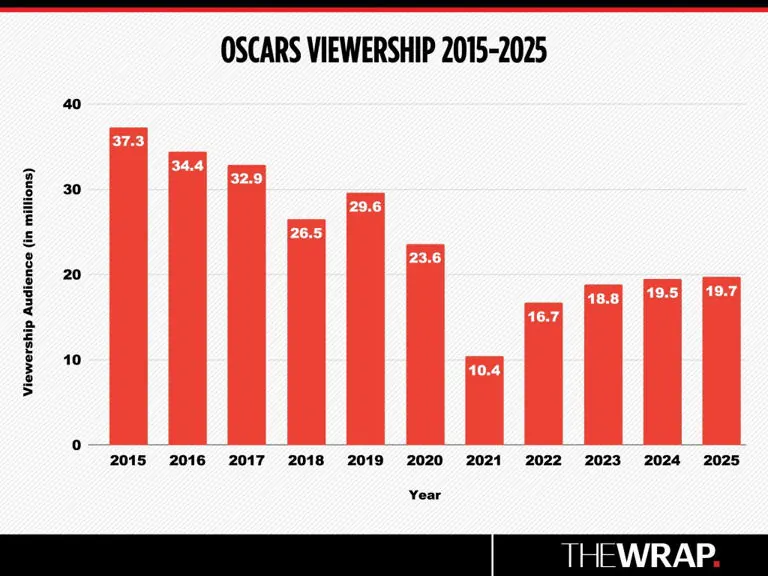 But unlike that panoply of propoganda or, with all due respect, whatever SAG wants to call their shindig, the Oscars are still a massive draw relative to almost anything that isn’t live team sports. Though they’ve largely been in a ratings decline for the 11 years, shedding more than half of its viewership over that span, they drew more than 18 million viewers last spring, despite technical obstacles that enhanced the reality check that the nominated films and stars were anything but populist. And judging by the recently announced Shortlist, this spring bodes to be more of the same. One will also note if one bothers to click on the link a host of nominees from outside the U.S., which is also where the majority of most major releases’ box offices comes from these days. YouTube offers the potential for sponsors and advertisers to reach a global audience in one fell swoop, and their model of aggregating content from many sources to produce a massive number, both in the modern parlance of “views” and per Nielsen’s gauge measurable share of total persons (demos be damned) is ideally suited to an organization that desires to define itself in its second century by reach and engagement far more than average viewing minutes by a target demo that increasingly chooses not to run out to a theatre for most stuff that isn’t a true multimedia experience.
Which may indeed be why Netflix didn’t win this particular battle, even though they now appear more than ever to be in line to acquire a storied movie studio. In spite of whatever assurances they have been giving their employees as their battle for Warner Brothers Discovery rages on that they won’t abandon theatrical distribution, their nuanced language in those claims and recent history of changing their minds leaves way too many believing that their commitment is anything more than a short-term contractual concession to existing deals–ones that largely expire by 2029. If nothing else, YouTube isn’t muddying their platform with too much other scripted long-form content to distract anyone who winds up wandering aimlessly through that walled garden.
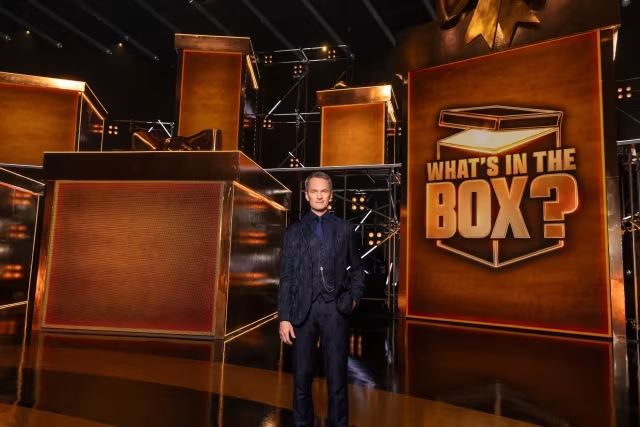 And what Netflix debuted and announced yesterday didn’t exactly cover them in glory as a prestige destination for an elitist organization. That aforementioned project was an otherwise disposable game show called WHAT’S IN THE BOX, which could easily have wound up on FOX prime time as yet another lower-cost over-the-top production that’s shooting overseas for cost savings and openly steals from several classic formats. Everything from its host (Neil Patrick Harris, late of such memorable efforts as GENIUS JUNIOR and BEST TIME EVER) to its gameplay (elements of everything from THE CHASE to CONCENTRATION to, of all things, THE PERFECT LINE) has been tried on broadcast TV before, wtth anything but modern, measurable, demo success. Even this game show geek couldn’t handle more than one episode, where it took practically the entire length of to put a new car (excuse me, a “luxury electric vehicle”) into play for eight couples representing every possible combination and a rainbow coalition from friends to same-sex married partners. But because it’s Netflix, it’s gonna be sampled by a lot more people than it otherwise would have on any linear network.
To top that off, the platform also announced another dive into still more sports vodcast content, as BUSINESS INSIDER’s Lucia Moses reported:
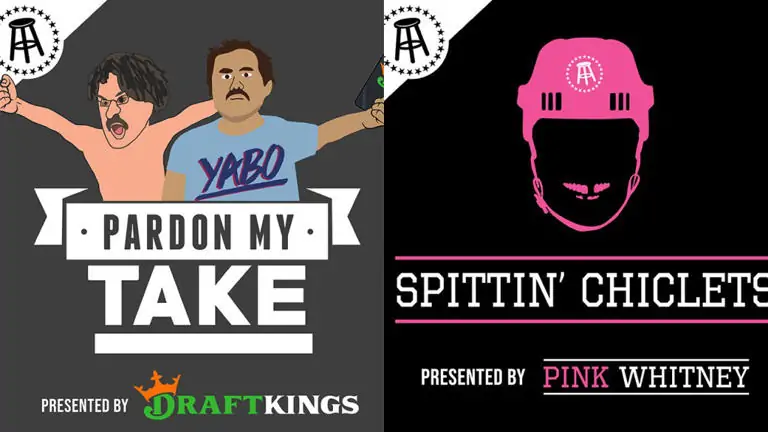 Netflix will exclusively carry three Barstool Sports video podcasts, marking the streamer’s third major podcast deal. Netflix has been readying a slate of shows for early 2026 as it looks to enter the space dominated by YouTube. Included in the deal are:
- Pardon My Take,” where Big Cat and PFT Commenter deliver sports commentary and more
- “The Ryen Russillo Show,” where host Ryen Russillo delivers sports analysis and talks with sports personalities
- “Spittin’ Chiclets,” featuring discussion of the NHL and pop culture by Ryan Whitney, Paul Bissonnette, and Rear Admiral
None of the podcasts prominently features Barstool’s famous founder, Dave Portnoy, who hosts “The Unnamed Show.” The deal also doesn’t include Barstool’s popular “Million Dollaz Worth of Game,” which ranked 33rd in US audience reach in the third quarter, as measured by Edison.
Additional data points revealed by THE HOLLYWOOD REPORTER’s Caitlin Huston also point to the mediocrity of these members of the Netflix and chill society:
The podcasts from Barstool are some of its biggest titles, with sports podcast Pardon My Take, hosted by Big Cat and PFT Commenter, as the top-ranked Barstool podcast, with more than 650,000 subscribers to their YouTube channel. Spittin’ Chiclets sees Ryan Whitney, Paul Bissonnette and Rear Admiral discuss the latest from the NHL with 434,000 subscribers. The Ryen Russillo Show features sports analysis and conversations with Ryen Russillo and has 30,800 YouTube subscribers.
And as anyone who regularly reads these musings should already know, subscribers aren’t necessarily viewers. If this is the kind of stuff that got YouTube to that vaunted most-watched video destination status, can you blame them for wanting to class up the joint?
THE WRAP’s Loree Seitz produced a somber analysis of yesterday’s bigger news with a clickbaitable headline she sourced thusly:
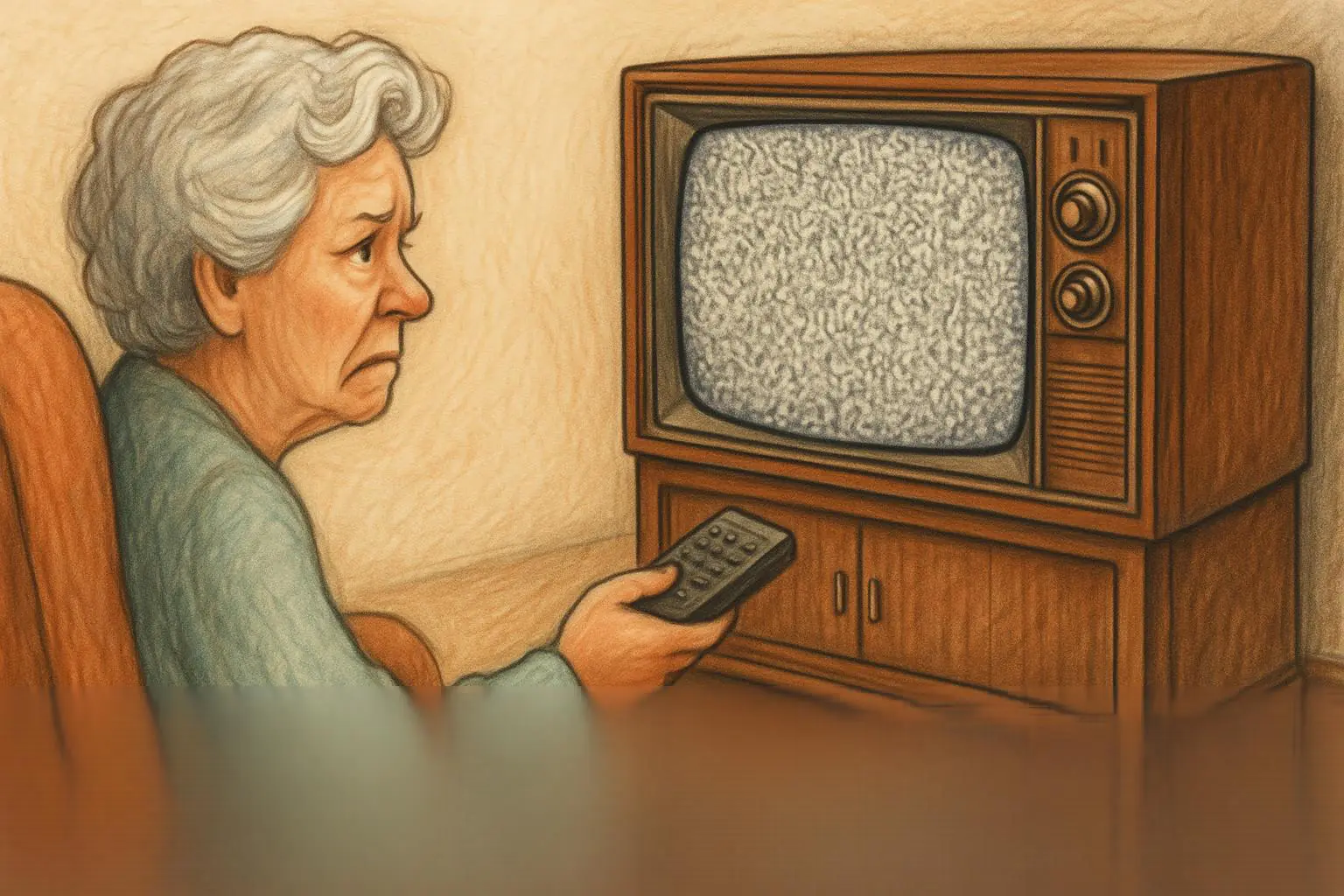 The Oscars are the most prestigious event on the entertainment industry calendar, and the top entertainment live event when measured by viewership despite yearly declines. So the symbolism of the program heading to YouTube isn’t lost on anyone. “Network television has been the home of the Oscars for 70 years,” a former Disney executive told TheWrap. “Apart from sports, this is the day network TV finally, truly, really died. We don’t have to wait till 2029 for the coroner’s report.”
I’d contend that rigor mortis had already been setting in on network TV when streaming went out of its way to usurp something like WHAT’S IN THE BOX.
Until next time…