
The result of the 151st running of yesterday’s Kentucky Derby was simply way too low-hanging fruit for most publications, and those that love to overreact to them, to ignore. The creative ATHLETIC duo of Alex Kirshner and Sam Settleman took the bait in this morning’s PULSE newsletter:
 Sovereignty used a late surge to pull ahead of the favorite Journalism and win the 151st Kentucky Derby on a muddy track last night. Yes, that’s Sovereignty over Journalism. Sometimes sports are just one giant metaphor.
Give them credit, they were at least a little more restrained than some other more prominent and incel-esque observers were, as ALTERNET’s Elizabeth Preza reported at roughly the same hour that her sports-focused brethren did:
Supporters of President Donald Trump on Saturday heralded a win by race horse Sovereignty, who defeated the horse Journalism at this year’s Kentuck(sic) Derby.
“In the Trump [a]dministration, sovereignty will always win,” Stephen Miller — a potential pick for Trump’s new national security advisor — wrote on X. Logan Hall, digital editor for the conservative site “The Blaze,” on Saturday likewise called Journalism’s defeat a “powerful omen.” “Sovereignty beating Journalism at The Kentucky Derby is just too perfect,’ Hall wrote. “Sovereignty > journalism,” wrote Trump defense secretary Pete Hegseth. “On the track. And in 2025 America”.
Ah, it’s reassuring to know that someone with as much job security as Hegseth seems to have these days will have such proven creative talents to fall back on the next time he forgets to check what and to whom he’s texting. Not that he’ll need any benefits thrown for him when that inevitability of his dismissal transpires. (My guess, FWIW, given the timing of Mike Walz’s “reassignment”, will be a day or two after the June 14th military parade that will serve as his boss’ birthday present).
But what we will become of the many employees of PBS and NPR whose careers are seemingly in jeopardy after the latest salvo fired by the Farter-In-Chief which U.S. NEWS AND WORLD REPORT’s Laura Mannweiler reported on late Friday?:
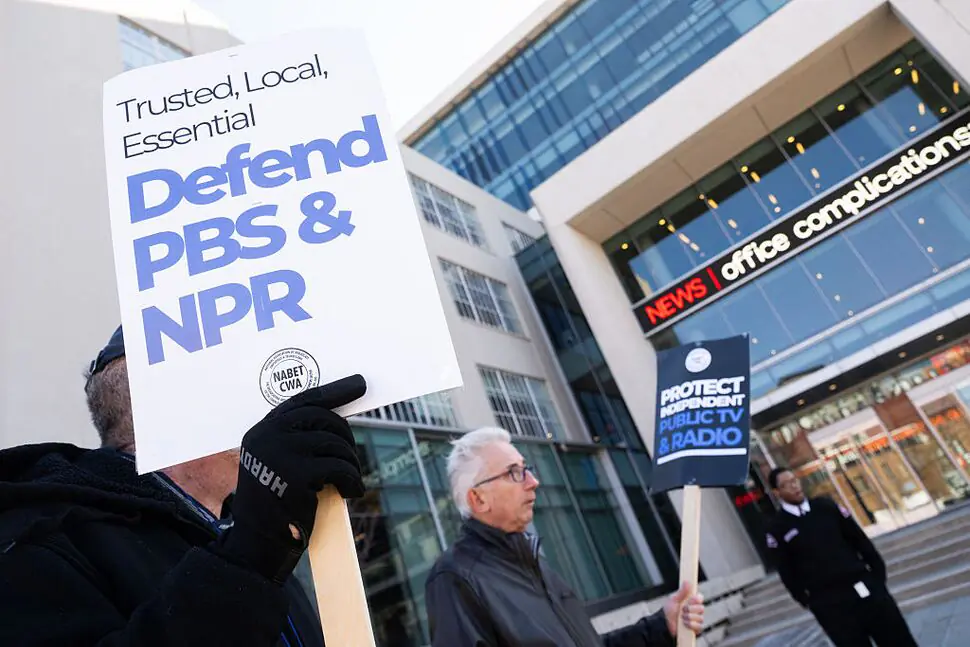 President Donald Trump has signed an executive order to eliminate federal funding for National Public Radio and the Public Broadcasting Service, two of the most prominent publicly funded media organizations in the country. The move is his latest effort to handicap an organization whose mission or viewpoint he has disagreed with.
The executive order, signed Thursday and titled Ending Taxpayer Subsidization of Biased Media, ceases all direct and indirect federal funding to NPR and PBS to the maximum extent allowed by law, and it requires the Corporation for Public Broadcasting to revise its funding rules to prohibit funding the two organizations.
 It seems our thin-skinned yet morbidly obese manchild isn’t a fan of entities like the PBS NEWSHOUR or ALL THINGS CONSIDERED, which aren’t exactly the State News broadcasts he would like to see them be. And in the same “creative” manner as so many sports sites chose to pick on a poor 3-year-old horsie not necessarily bred to be a mudder, plenty of outlets reported this action as an attack on Big Bird and Elmo. Naturally, that got the attention of and an eight-minute segment on MSNBC to discuss the implications.
Yet once again, as we attempted to meticulously and copiously point out with objective facts about 60 MINUTES ten days ago, we are seeing sabers breing rattled by DIVISIONS of broadcast entities of which news and information is only one part of–and according to empirical data, by no means the most popular or uptrending ones even within their own walled gardens.
Our trustworthy friends at TELEVISION STATS, which consistently updates both usage and engagement and provides a bevy of trends, reports that as of yesterday PBS News Hour ranked as the #201 most popular show online and was the #3 most popular TV show on PBS. And PEW RESEARCH CENTER reports that as of 2022 NEWSHOUR fell to a seven-year viewership low to 882,000 P2+ per Nielsen, and that was before its most recent anchor change that leaves it in the hands of far less experienced and trusted journalists than the two that founded it 50 years ago, Robert MacNeil and Jim Lehrer.
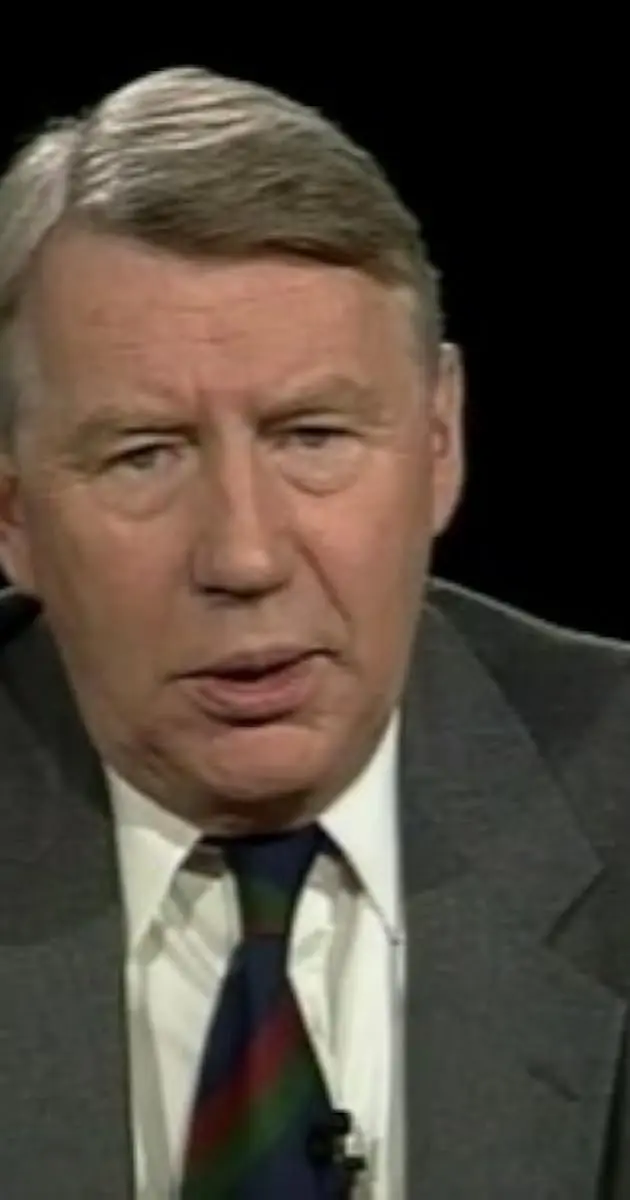 Do consider that the reputation and intent that MacNeil had when he left the cozy world of NBC NEWS to become a PBS presence, initially as an anchor for gavel-to-gavel coverage of hearings on the Watergate break-in that preceded and supplemented the occasional arcs that the broadcasters provided, was anything but a politically biased form of journalism, as THE ASSOCIATED PRESS pointed out in his obituary from just about a year ago when he left us at the robust age of 93:
“We don’t need to SELL the news,” MacNeil told the Chicago Tribune in 1983. “The networks hype the news to make it seem vital, important. What’s missing (in 22 minutes) is context, sometimes balance, and a consideration of questions that are raised by certain events.”
And bear further in mind that the void that PBS filled in the national landscape when the show was created was far more necessary and significant than the one it fills today. It was in a three-network world that preceded cable of any kind, not to mention an awful lot of independent stations. What was true of the children’s and educational programming that helped establish the network in its embryonic days as NET was true of what The MacNeil/Lehrer Report provided. Indeed, it was a compliment and expansion of what Big Bird and SESAME STREET, not to mention THE ELECTRIC COMPANY and ZOOM, provided.
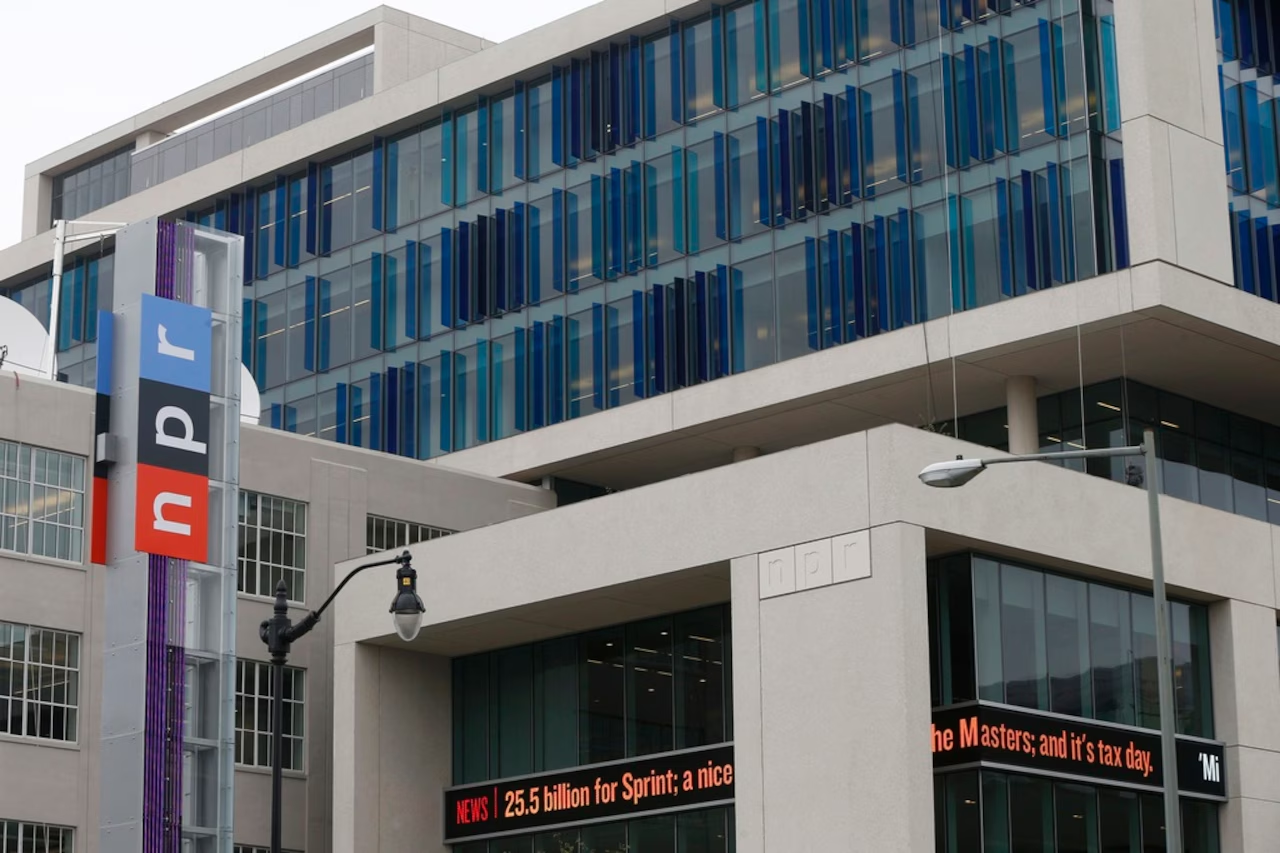 It’s much the same story at NPR. PEW’s Nielsen Audio data from 2022 also reports a seven-year low after a period of growth that saw its weekly terrestrial listenership peak at eight-figure levels during Trump 1.0. And again, this encompasses a lot more content than merely news, and reflects as much decline due to the expansion of satellite radio distribution and alternatives with such technlogical innovations as OEM inclusion on new cars and the introduction of CarPlay to make that option available to anyone with a cellphone and Bluetooth.
So no matter how frustrating it may be to some with political bents to read the full text of the executive order, the first sentence as reported by Mannweiller is undeniably accurate:
“Unlike in 1967, when the CPB was established, today the media landscape is filled with abundant, diverse, and innovative news options,” according to the order.
So when we read the expected parochial reaction of these media entities’ leaders, citing everything from our Founding Fathers to the poor underserviced folks in rural communities, threatening lawsuits and clogging up courts, it brings to at least my mind a couple of burning questions:
What actual ratings, or even a record of donations, do you have to prove that news your core, let alone sole, source of audience and revenue? And are you truly so determined to “defend democracy” that you’re willing to put at risk your more popular programming–not to mention the jobs of the folks who produce them?
It seems that your good friends at CBS are still more than willing to do so, and tonight we will be apparently be getting another dose of that finger from the Eye in the Eye of the storm, as NEWSWEEK’s Mandy Taheri forewarned on Friday:
 CBS News’ 60 Minutes is set to air a new segment Sunday investigating President Donald Trump‘s efforts to target major law firms, despite the president’s ongoing attacks on the program and a $20 billion lawsuit winding its way through the courts. The upcoming story, as promoted in a press release, suggests 60 Minutes is not planning to back away from investigations into the current administration in spite of the president’s lawsuit or the reports that Paramount Global boss Shari Redstone has asked the show’s producers to hold off on stories critical of Trump at least until a proposed merger is finalized. The Sunday piece will also, notably, be presented by Scott Pelley, the CBS correspondent who blasted his corporate parent on last week’s episode over the departure of Owens — a stunning public rebuke broadcast on national television.
Pelley can at least point to viewership numbers that dwarf both his network’s competition let alone the NEWSHOUR audience. But given the sensitive timing of this saber-rattling, and the harsh reality that the fates of a lot more divisions and employees than his CBS NEWS brethren may very well ride on what transpires this month, there are bigger and more personal issues at stake than merely the choice to not stay silent. It’s called respect for the people who sign your massive checks and your fellow employees who don’t quite have the security or prospects that you might. I wonder if Pelley or any of his producers bothered to ask the priorities and opinions of the gaffers, the production assistants, or even the go-fers at the outdated CBS BROADCAST CENTER and how aligned they are with his?
Choose to call it knee-bending or capitulating if you must, for that narrative can’t be denied. Were CBS or PBS purely news organizations, such narrative would be a lot more apropos. At one point a generation ago perhaps they were more significant and unique than they are now. But npw they are NOT. And it just doesn’t seem like they’ve considered that not everyone wants to die on the same hill that they do.
The shows can exist just about anywhere these days with appropriate funding. In PBS’ case, every viewer over the age of six knows this disclaimer by heart: “this program is supported by a grant from ________, the Corporation for Public Broadcasting, and by Viewers Like You”. Nobody’s telling anyone not to report in a style you seem to believe is so crucial to our existence.
I would merely ask Paula Kerber and Katherine Maher if they’ve asked their entireties of their staffs, viewers and donations how they feel about all of this.
If yesterday proved nothing else, a muddy track can screw up even the best intentions of Journalism.
Until next time…