Two nights in a row where I actually had both the resources and invitations to get out on the town. If you’re surprised. you’re not alone. The rate things have gone for me of late, I’m actually in a bit of a state of shock.
Then again, it’s not every day when the most popular television program in America–and one I have a history with–commissions a bar within a couple of gallons of gas of your residence to be the first non-theatrical venue to test-drive their foray into live events. And it was even enough of an allure for friends to schlep over the “hill” to join in as well. Not to mention the strangers who came from even more outflung outposts to compete and imbibe, both to way more of an extent than did we.
 As we mused a week ago, JEOPARDY!’s brand expansion, the passion of showrunner Michael Davies, includes the launch of JEOPARDY! BAR LEAGUE, a collaboration with a company who’s been in the “pub trivia” business for nearly two decades, GEEKS WHO DRINK. The concept of pub trivia, like Davies, has its roots in the United Kingdom, where there have been way more examples of popular question-and-answer formats that have dominated prime time a lot longer and more consistently than JEOPARDY! has. The sketchy details available via Wikipedia offers this as the most likely genesis:
 In 1976, Sharon Burns and Tom Porter founded and organised 32 pub quiz teams in three leagues in southern England.[9] The goal was to attract people to pubs on quieter, “off” nights.[citation needed] From the time Burns and Porter began their weekly quiz in the 1970s, popularity grew over the next few years from just 30 teams to 10,000 teams in their weekly events.[4]
Stateside, there are few concrete data points that quantify exactly how popular and broadly appealing “bar leagues” are, but on observation from last night alone it’s pretty darn clear the crowds are younger, more engaged and more affluent than the audience that is watching JEOPARDY! on a nightly basis. The show has recruited hundreds of top-notch contestants, many of whom have won tens or even hundreds of thousands of dollars, from this world, folks who regularly attend these friendly neighborhood competitions with stakes that rarely are little more than a modest gift card or bragging rights. So it makes perfect sense to return the favor by bringing the proverbial mountain to the Mohammads that are among its most ardent fans–even if their lives are often too busy for them to be part of the regular viewing audience.
So we allowed ourselves to be part of this beta testing, and it’s clear that it’s very much work in progress. The quizmistress, an employee of Geeks Who Drink, was effusive and lovely but clearly no Ken Jennings–or even as skilled as many of the competitors who share Jennings’ history of a trivia geek who rose above them all. The show’s rapid-fire pace that allows 61 answers to attempt to be questioned within 22 minutes is necessarily slowed to accommodate real-time interaction, making it a two-hour endurance test that may lend itself to refills and impulse purchases of overpriced appetizers but at times had the experience seem rather plodding. In a 2019 piece that provided a primer for hosting these sorts of events, LAST CALL TRIVIA’s Brittany Lecompte offered this sage advice:
When it comes to Trivia for bars, the sweet spot is between 20-25 questions. It’s important that there are enough questions to create competition and give teams a reason to play. But once the number of questions starts to get too high, it can feel more like a test than a game. Shows that are 20-25 questions long give teams time to socialize, eat food, and buy drinks.
Given the difficulty our venue had to accommodate imbibers, let alone properly bill them, while facing a 9 PM curfew, it’s clear that particular aspect of the experience needs addressing.
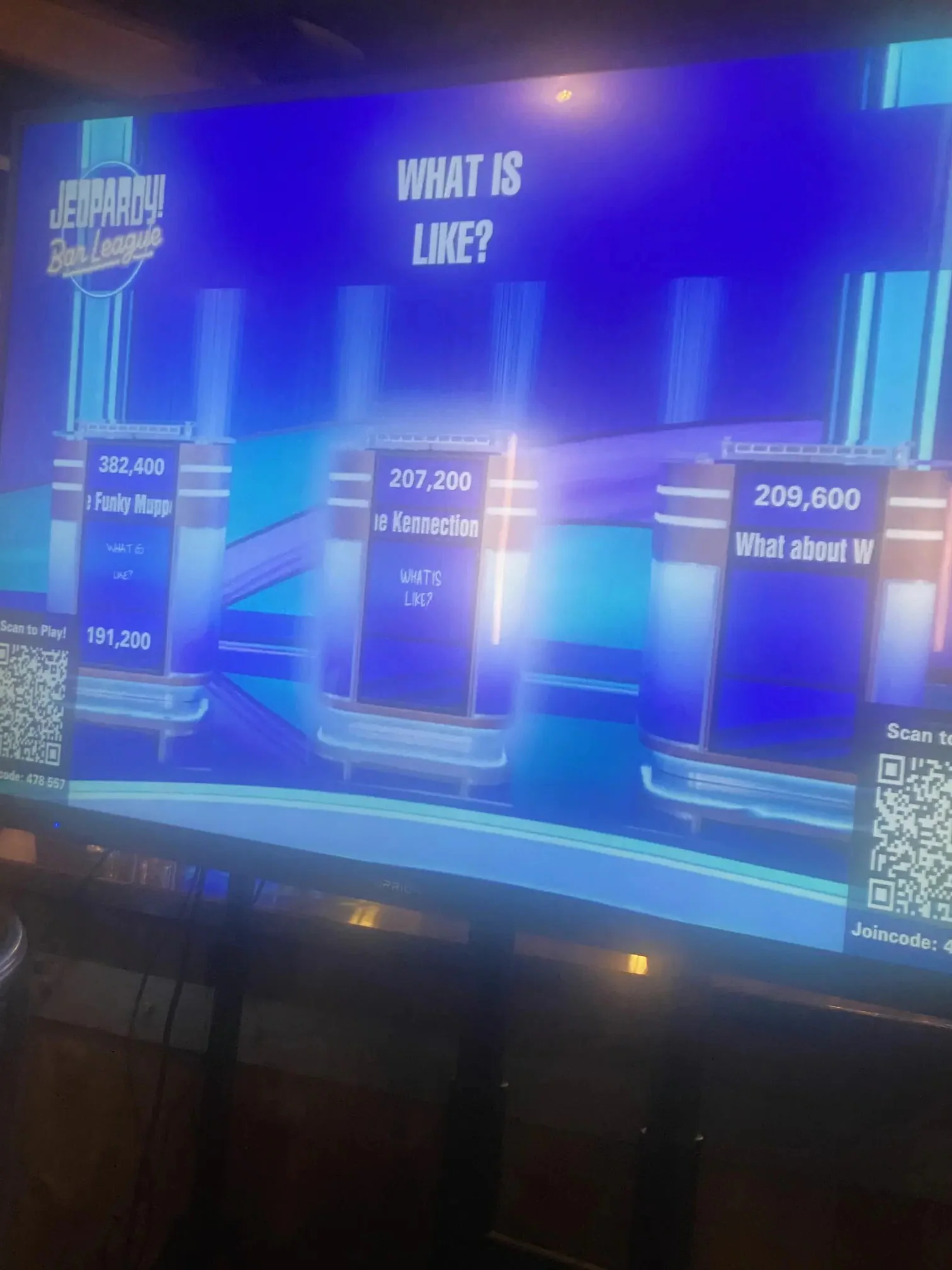 And the material, which to its credit included categories outside of the world of pop culture such as African geography and parts of the human body, was seemingly not well “stacked”, per the experts in production that I was engaging with. Whether or not the location of two of the three “Daily Doubles” in the top row of answers–the lowest-value and typically easiest ones on any board–was deliberate so as to inflate scores or an oversight of folks who may not be familiar with how the game tends to play out is an open question in my mind.
But this was clearly work in progress, and the fact that the evening’s proceedings ended with a detailed survey of each participant via SurveyMonkey, the most popular and cost-effective quantitative research tool on the market, along with the inducement for an additional gift card for what will be follow-up focus groups, suggests that Sony is very much interested in improving upon the more simplistic model of companies like GWD.
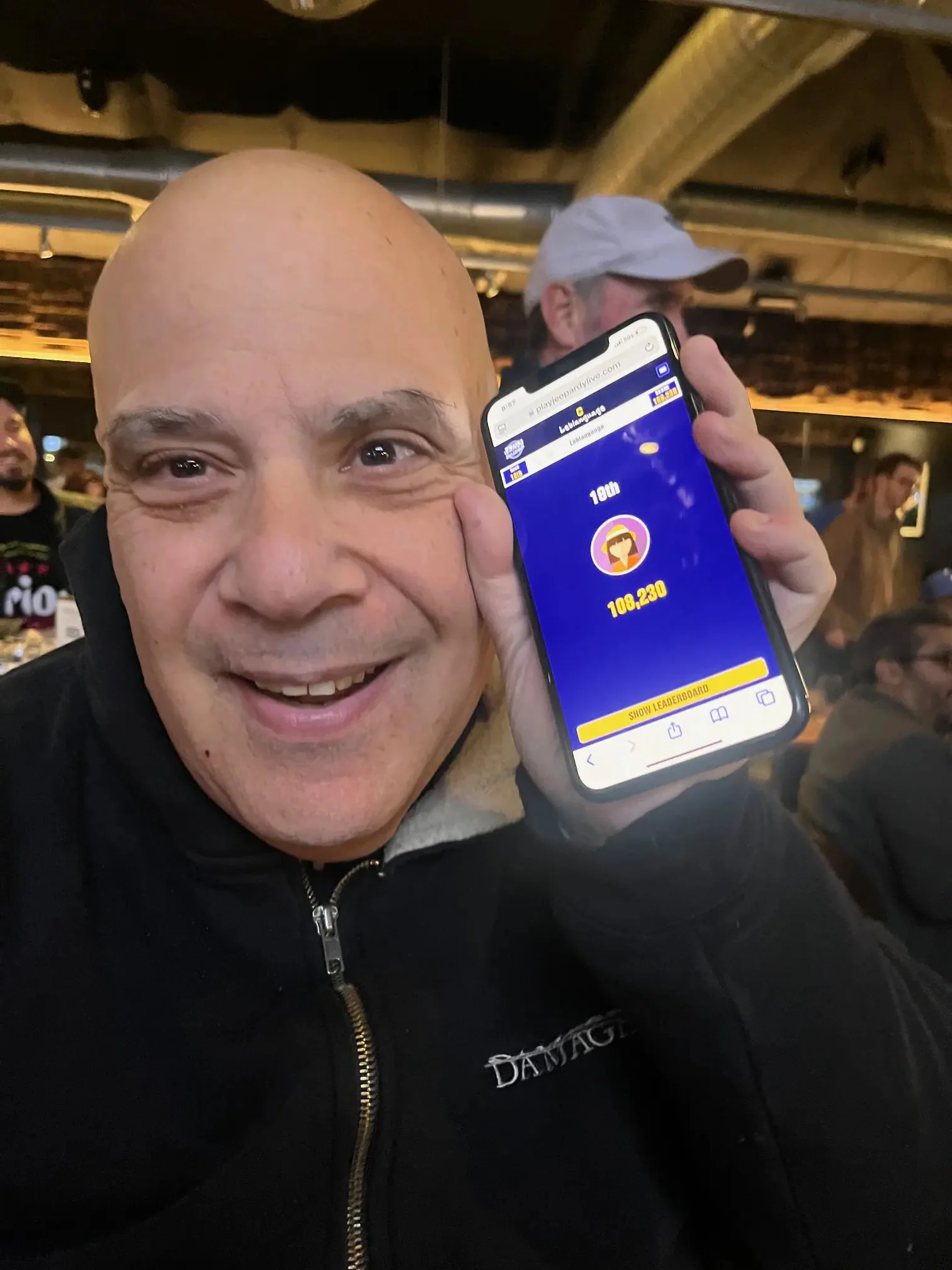 And for this purist, that knowledge alone was as comforting as our ability to actually finish in the top half of far more seasoned and cutthroat competitors, let alone take some pride that a non-sports expert was quicker to chime in correctly with Tom Brady as a response than moi, or that I somehow remembered what country Timbuktu is located in (for the record, it’s Mali).
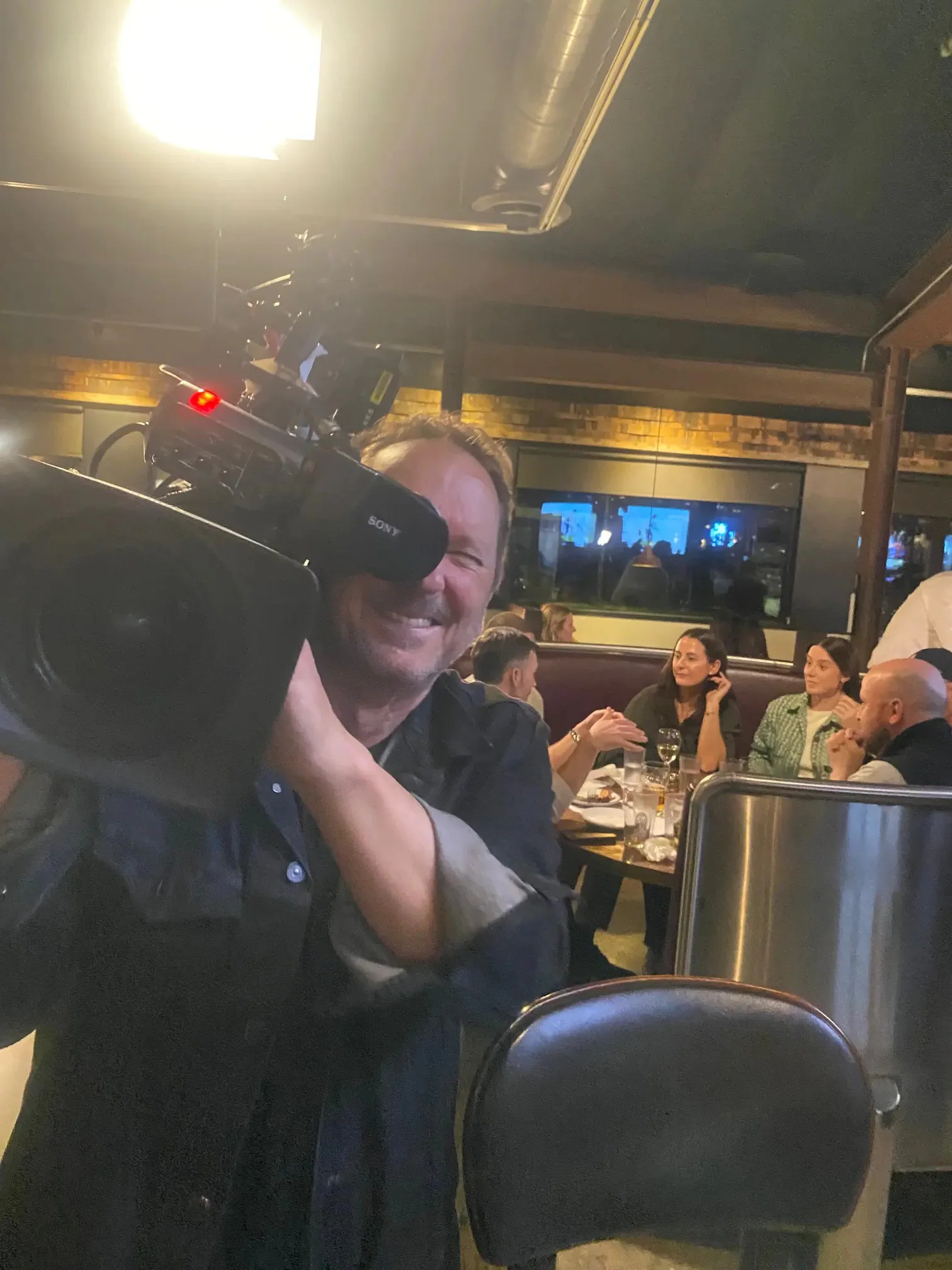 Sony had folks using professional grade video equipment (Sony-branded, natch) during the evening to produce a pitch reel which they will use to attempt to bring in national chains as partners. GEEKS WHO DRINK claims to have 1426 such on their own, so that’s a start. I’d like to think our enthusiasm and endorsements will help them lock in a few. Perhaps some who are even closer to where I live than last night’s venue.
Like any researcher worth their salt, I’m looking forward to seeing how the next iteration of this looks, and what they may do to induce more folks to show up. And if anyone needs any help in better executing it, consider me a candidate. So I can possibly afford those appetizers and craft beers on my own.
Until next time…