
Holiday week, schmoliday week…we’re nearing the end of a fiscal year, so in hindsight it was not a surprise to see this breaking news flood our timelines early yesterday morning, led by the parochial spin from CNBC’s Elsa Ohlen and Lillian Rizzo:
Comcast said Monday it plans to spin off its remaining media business into a new publicly traded company as it looks to better compete in a media landscape increasingly characterized by pressure from streaming rivals and consolidation.
 The separation, which will happen via a tax-free spinoff of NBCUniversal and Sky, is expected to be completed in about a year, the company said in a statement. Comcast shareholders will own shares in both Comcast and NBCUniversal, it said.
Considering that CNBC was itself impacted by a shuttling to the kids’ table last year when the cable networks were spun off into the void known as Versant, I suspect Ohlen and Rizzo couldn’t be more than a little relieved to let the world them it wasn’t just about them. Not to mention a reality check that in the cold cruel world of vertically integrated companies software has always been a secondary priority to hardware. And in the specific case of NBC that was just as true with its previous owners.
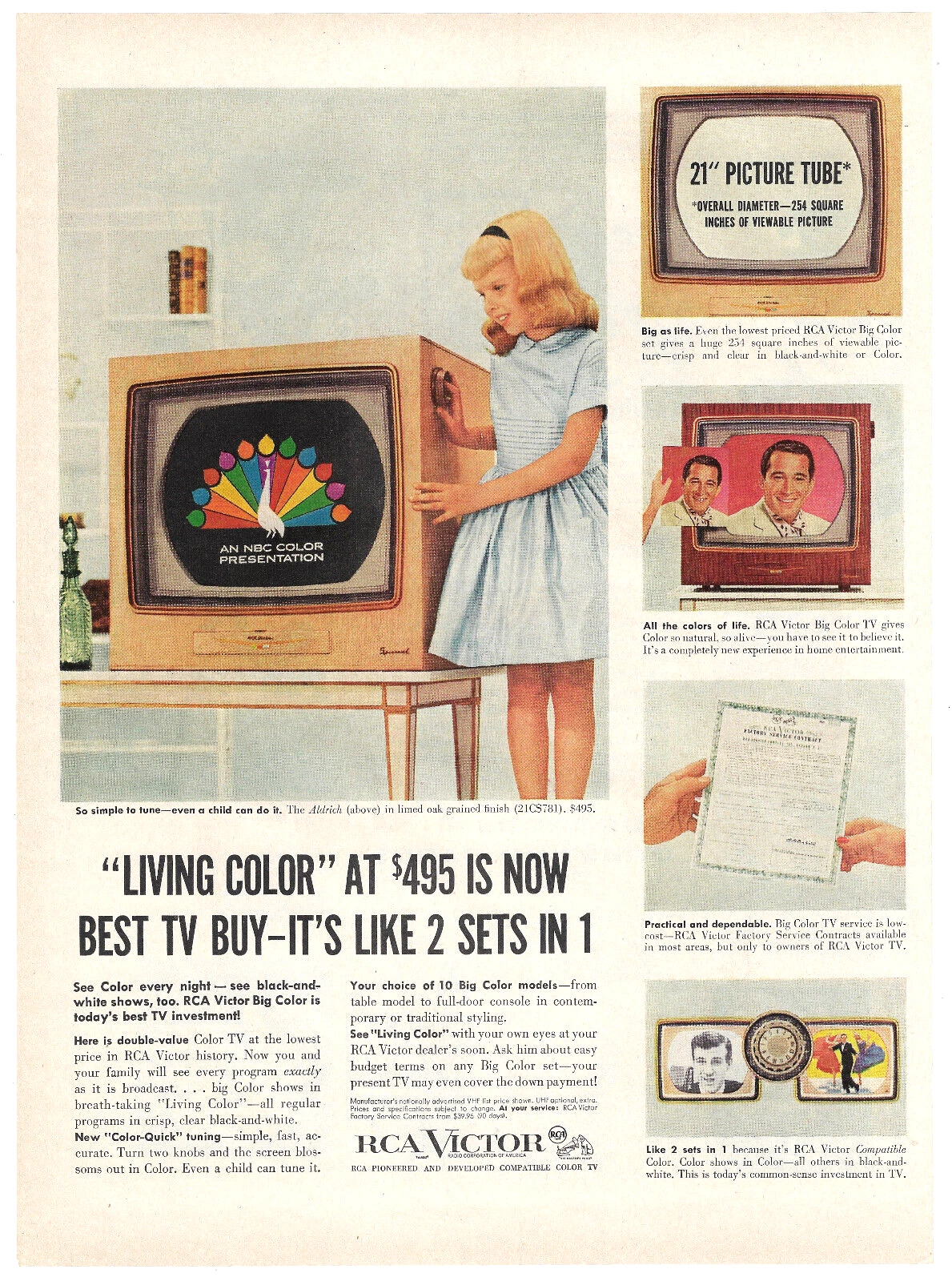 Do bear in mind that NBC was the germ of an idea fostered by the founder of the Radio Corporation of America. That the most significant impact that sprung from the network’s first mega hit, Milton Berle’s TEXACO STAR THEATRE, was the sale of televisions, not gasoline. And that Walt Disney’s Wonderful World Of Color and the 60s campaign of “the full color network” was focused on upgrading those homes to color televisions–ideally RCA Victor’s.
And please don’t think they’re the only example of such prioritization. I sat in plenty of corporate town halls where the Japanese brain trust of Sony reminded all of us who toiled for what we liked to think was the legacy of Columbia and Embassy that the sales of Sony audio and video products were directly correlated with the popularity of recording artists and our shows. Ask anyone who works in development at PlayStation what their bonuses are most influenced by.
As for today’s media monoliths, once again while content may be king in the consumer’s mind in the minds of investors it’s at best a crown prince. Disney draws more profit these days from theme parks and merch than they do their networks and platforms. You think Josh D’Amaro was promoted just on his looks? All of those prestige series and upscale global sports franchises Apple is pursuing? That’s to sell you devices and service plans to watch them on. And as any Prime Video subscriber will readily admit when pressed the biggest reason they continue to subscribe even when few shows warrant it is for the free shipping. Coming off a week-long “Prime Day” I would wager that opinion would be even more vehement if you did that survey today.
 As the NEW YORK TIMES’ Benjamin Mullin, among others, cautioned, the approach that top Comcast management tried to take in the wake of yesterday’s announcement was coy:
“As we look ahead, it has become clear that our technology and media businesses each have compelling opportunities in front of them that are distinct in nature and best pursued with dedicated focus, strategic flexibility, and tailored investment priorities,” said co-CEO and Chair Brian Roberts on a call with investors Monday…During a conference call with analysts on Monday, Mr. Roberts said he would not prioritize putting NBCUniversal or Comcast up for sale and instead aimed to grow each business over time.
And with that the speculation immediately mushroomed as to whether the impressive Universal library would be appetizing enough for the inventory-light Apple or the rental business that Netflix essetnially is to pounce on and, like the greedy little Ellisons chose to, grudgingly take the legacy networks and the perpetually underperforming Peacock along for the ride. We’re already seeing pundits conditioned from the blathering of senators like Elizabeth Warren and attorney generals like Rob Banta sounding alarms that we’re gonna be in for a fresh round of opportunistic fascism that will demand Kristin Welker and Seth Meyers’ heads delivered on a silver platter as capitulation that would grease the wheels for such a deal.
But if you’ve actually spent any time knowing what goes through the mindset of a cable operator one would probably be a lot less concerned that that is where the Roberts clan is focused on–or ever was, for that matter. They are the survivors in what was at one time a business dominated by mavericks and pioneers that knew even less about what qualifies as good content than their subscribers. Watching them mesmorized by the kind of celebrity appearances and overdone booths that were repurposed from conventions like NATPE at confabs such as the Western Cable Show was an education. Hicks loved that shtick way more than their broadcasting counterparts did. The deal-making itself was a lot more contentious and anything but emotional. They really didn’t care all that much about what they were offering versus whether or not they were the only ones offering it.
So I’m more inclined to latch onto what that Mullin posited that it’s the Comcast side of the street that one should turn their immediate attention to:
(A)nalyst speculation immediately turned to potential merger partners for Comcast, which has turned to internet and wireless services for growth as its cable TV business slowly has deteriorated. At the top of the list is Charter, a giant in the broadband and TV industry, with nearly 30 million internet customers. The company’s stock rose 11 percent in trading on Monday.
And that’s in direct contrast to the postscript he added:
“Monday’s announcement is a sign that Comcast has finally awakened to investor skepticism over its combination with NBCUniversal, said Rich Greenfield, an analyst at LightShed Partners, in an interview. “Comcast stock hasn’t moved in 13 years,” he said. “I think this is an admission that the status quo was not working.”
So if your last name is Roberts, are you really all that eager to wade through the same sludge that the Ellisons have in their now all-the-more Luddite pursuit of their holy grail? Since audiences have splintered permanently and generationally why not just go back to the original template of just focusing on the pipeline rather than worrying about the water quality?
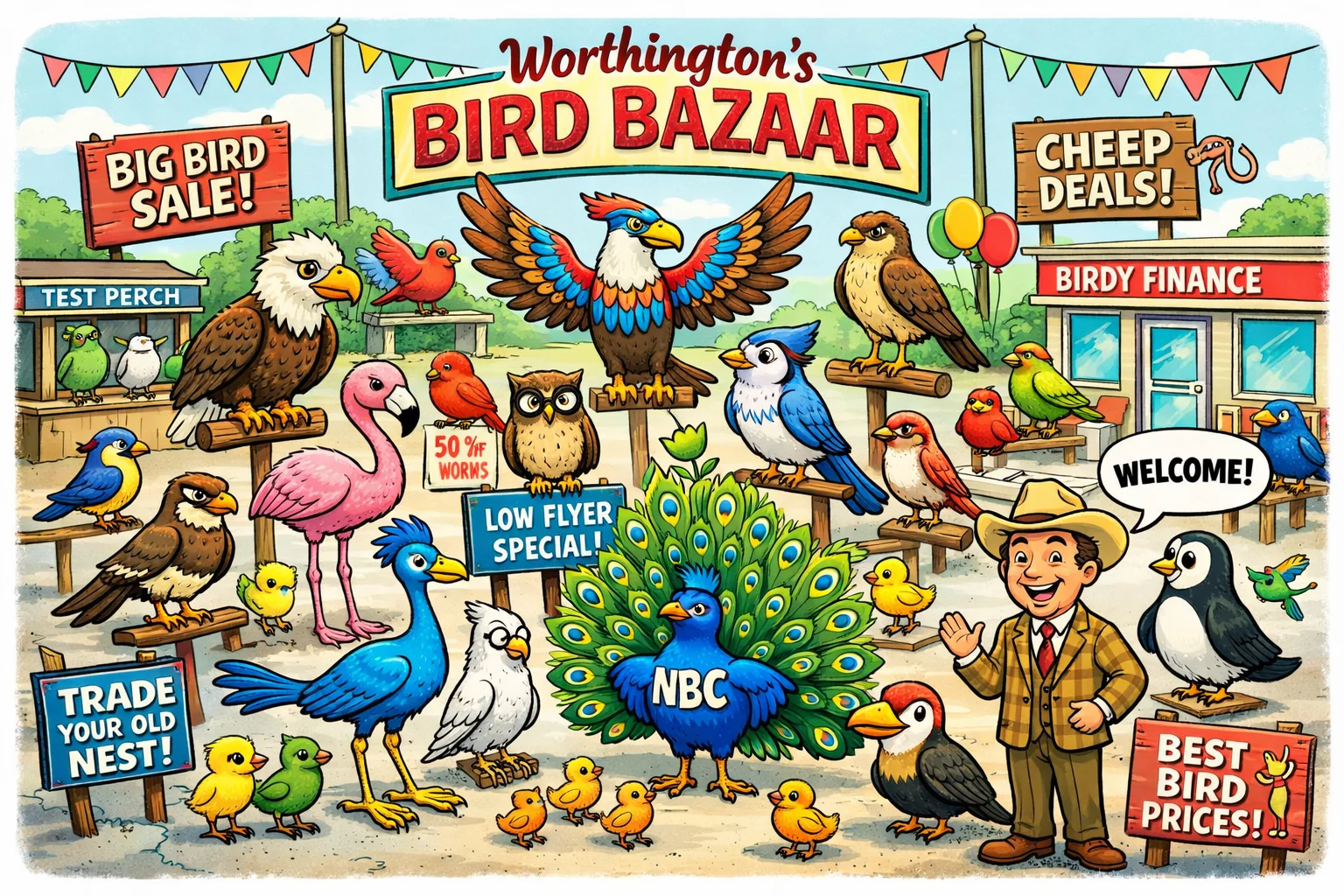 I’m not naive as to the eventuality of NBC contributing a lot less in its second century than it has in its first. Blame your own addiction to YouTube and/or TikTok for that. But at least for the moment I’m not gonna jump on any bandwagon that suggests it’s all that imminent. Any such argument to the contrary I would contend is, well, for the birds.
Until next time…