In the small little world of media research that I once occupied a much larger role in that I now do, Liz Huszarik was a ever-present and dominant force to be reckoned with. From rather humble beginnings as an eager rising star at Warner Brothers when it was far and away the largest-staffed and research-forward studio distributor she eventually rose to head up the entire global research team. 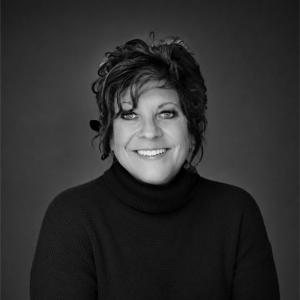 As her LinkedIn profile humble-brags, by the time she reached her zenith as Chief Research Officer to cap off more than three decades of service she was captain of an impressive ship of CUSTOMER OBSESSED | DATA CENTRIC strategic leaders, at one point in charge of more than 40 such dedicated and determined champions of knowledge. I knew most of them–they were the white whales of every vendor I dealt with and the envy of those of us who were fighting tooth and nail with CFOs whose personal agenda was to interrogate me as to why I chose what their intelligence felt was an overly expensive car service that I’d regularly use to shuttle me back and forth from late-night focus groups in suburban Charlotte. The only negative commentary on Liz I’d ever hear was from disgruntled subordinates who thought her management style was too demanding. In corporate America, that’s a huge plus and no, I didn’t hire those gripers, either.
She got out of Dodge at roughly the time that our old friend Yosemite Zas stormed in with the misguided belief that her team’s skill sets were a lesser priority, and ever since she, like so many of us, have hung their shingles out for consulting projects. But she took her newfound independence one step further by co-founding a company called Crosswalk Technologies, which has as impressive a mission statement as any I’ve come across anywhere:
 Crosswalks Zero-Party Data (ZPD) platform is a deterministic, longitudinal, closed-loop panel of 30M+ opted-in U.S. consumers ingesting 8B+ behavioral actions a day. One source holds the full clickstream, search, social, media viewing (streaming, FAST, and AVOD across seven device types), and confirmed purchases across 30,000+ brands, archived since January 2021 and delivered T+1. No surveys. No stitching.
Liz leads strategy, product, commercial, and capital. She directed the architecture of Prometheus, Crosswalks self-developed AI agent, which runs across the product suite (Profile IQ, Subscriber IQ, Digital Journey IQ, and Attribution IQ) and lets clients query the panel in plain language inside a gated environment that never touches client systems or the public web. She built the SaaS model around it: annual platform subscriptions, metered agent usage on prepaid credits, and self-serve report pricing that scales from a single pull to an enterprise program. Crosswalk holds a provisional patent on its methodology, has been independently validated by Maiden Century, and serves four major studios, three of the four major talent agencies, brands from fintech to CPG, hedge funds, and political organizations.
It is the latter vertical that elevated Crosswalks to the top of my social media feeds this week when she posted this titillating “Toldja!”:
Our digital twins called Texas, Ohio and Nevada’s 4th before the polls closed.
Three digital focus groups standing for more than 20 million voters.
Texas Senate: the group read Talarico 54.6 to 43.3. Texas landed at about 55 to 43.
Ohio Governor: Acton from the first ask, days out. She won the state.
Nevada’s 4th: Horsford by 23. The district landed there too.
The groups also said why.
In Texas, Musk’s $212 million pushed 2.7 voters away for every one it pulled in.
In Ohio, health care decided it for 55% of the group, and lifelong Republican voters crossed for the doctor.
In Nevada’s 4th, 350,606 undecided voters did not want more ads. They wanted the incumbent’s record on one page.
A digital twin is a voter you can interview any day. Built from the digital life of the voters it represents, it talks like them, worries like them and votes like them. Ask the group anything, watch one voter move, and ask her why.
Huszarik has opportunistically seized the moment to not only join the blue tsunami victory lap but in her more extended recap remind the industry how digital twins can make you a winner as well:
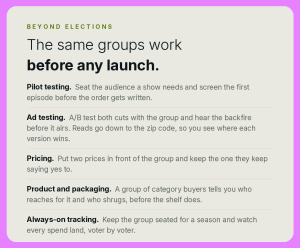
In pre-AI times, tactics like this were associated with cohort research. You’d cluster audience segments based on multiple geographic and socioeconomic strata variables to create custom targets for your viewers and consumers. The promise of digital twins elevates this to levels theretofore never dreamed of and adds the promise of discovering the “why” to the “what”. In a corporate America where there are now far more CFOs–hell, CEOs–that think like my old one did, that success story is outright catnip.
The skeptic in me–especially knowing the tactics that Warner Brothers typically employed during Huszarik’s reign–immediately pivots to how many of these “groups” were conducted in the first place, especially given the limitless possibilities an always on-call “river sample” allows. In theory, given the fact that they are drawing from an opt-in panel of 10 million Americans literally hundreds of these midterm scenarios could have been run. Did any of the clients that benefitted this run parallel studies using more traditional methodologies that showed differing results? Were these merely noisy outliers–or, gasp, blind squirrels?
The realist in me acknowledges that few people who remain in the sorts of positions we used to occupy are even choosing to ask those sorts of hard questions. And as if I needed a reminder, witness this nugget that THE DAILIES dropped into my inbox this morning which summarized otherwise paywall-protected work from THE WRAP’s Roger Cheng:
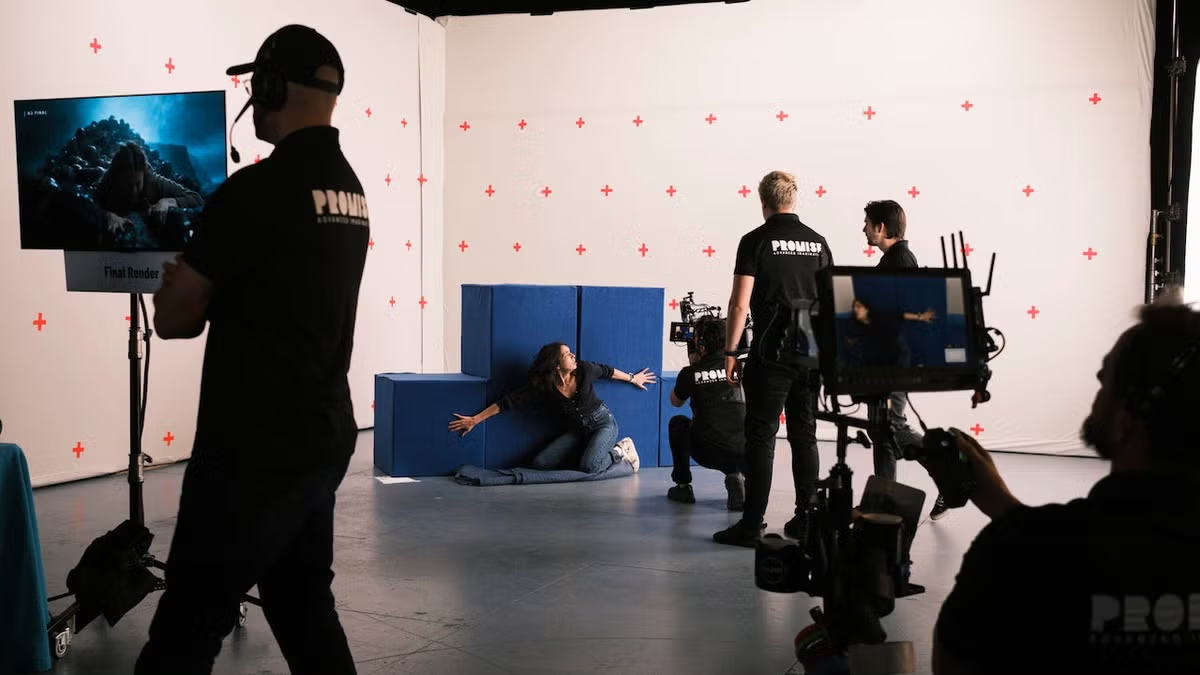 You can tell a lot about Disney by the startups it hangs out with. Each year, Disney picks a few through its Accelerator program, invests in them, and brings them in to work with its teams for about four months. The 2026 edition wrapped up this week with Demo Day, where the startups show off what they’ve been working on. And this time, the entire class is made up of AI companies. So what is Disney actually testing with all this AI?
-
Audience research: one startup interviews real people, then builds AI versions of them. Companies can ask those AI versions what they think, kind of like a focus group that’s always available. Disney is using it to test how guests book trips.
So Liz is most definitely barking up the right tree. And knowing that even more cuts are heading Disney’s way my educated guess is that whoever is responsible for that beta testing on the parks side of the company will inevitably be inheriting the decision-making for those on the streaming side–if they haven’t already. I have to assume if she’s got four major studios as clients this is likely one of them–or she’s at least done more than a few pitches to them. The fact they are empowered to utilize multiple methodologies at once is to me an encouraging sign that standards still exist–even if the appetite for large groups of actual human beings to be held to them has greatly diminished.
If it turns out that Crosswalk is indeed that mysterious startup that Cheng referenced, huzzah. I truly love it when brains triumph over bravado. If not, I’ll hope Huszarik considers this a heads-up about a competitor who sounds like they’ve got a potential leg up on future business. Go after them, Liz, just like your team always did for time periods and time slots so brilliantly. Just make doubly sure in the process you’re choosing cheaper car services.
Until next time…