
NOTE: This musing also appears today on our sister site The Double Overtime. Please visit it regularly for coverage of all sports plus occasional essays on business and technology,
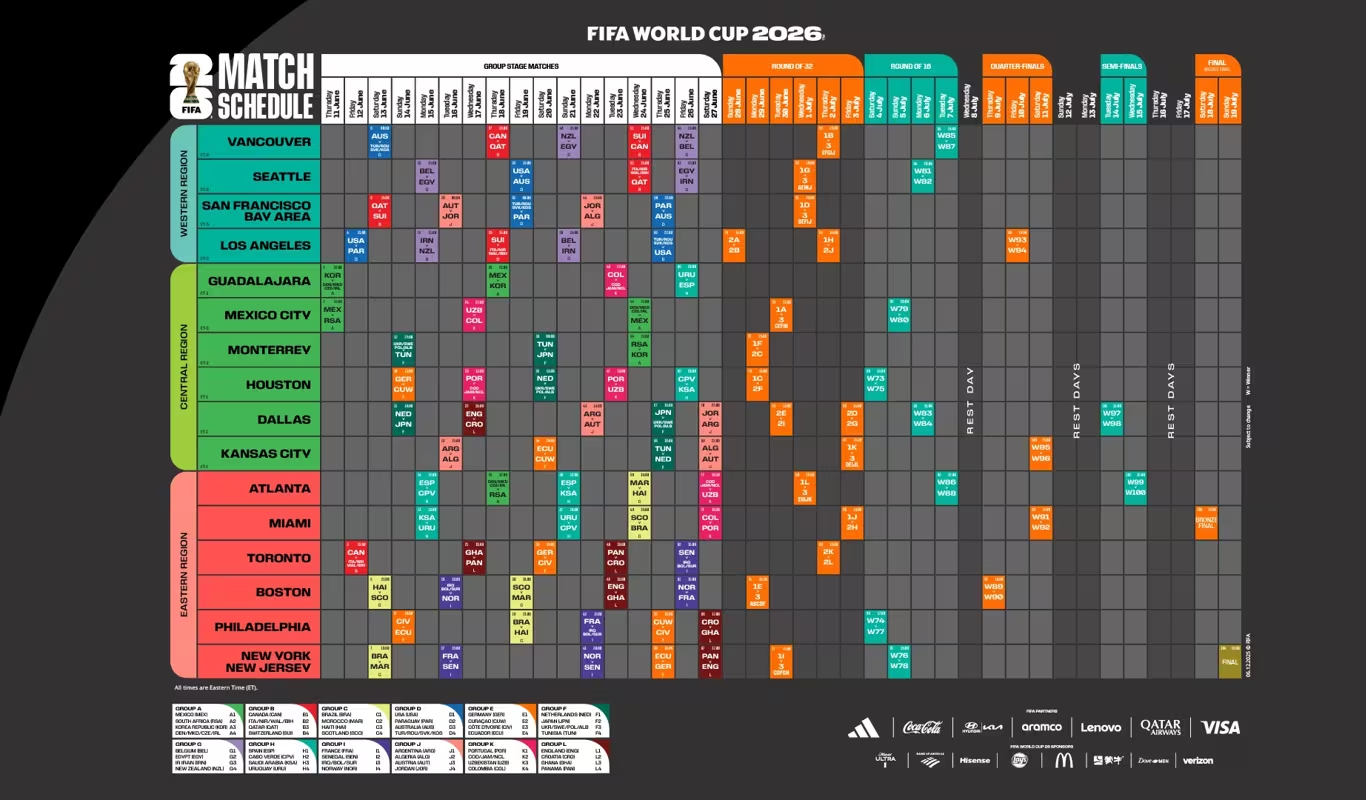 At long last the World Cup is set to begin actual competition, after a drumroll and build-up that’s been as politically tainted as anything we’ve seen in this sadly polarized world. From fake peace prizes to Somali referees being prohibited from doing the job they were hired to the discourse surrounding the countdown to kickoff has been so often distracting and consternating it’s been hard to focus on the fact that for the next 38 days a significant portion of the world’s population will be focused on the largest-ever competition for arguably the planet’s most coveted sports trophy, with the majority of those matches occurring on American soil. In my particular case, seven of those matches will be held within walking distance of where I work, which is now resplendent with signage and special giveaways as being a major sponsor. Even my Starbucks has gotten into the act with a giveaway this morning, so I’m definitely being swept up in the moment.
As I frequently overshare, my love for the game was fostered by my British maternal grandfather at a time when the ability to experience live matches was minimal. I honestly cannot recall if group play matches were telecast at all, let alone live–the fact that the United States was an afterthought for most of those years didn’t help the demand. I know I never watched a match live with him–which I regret to this day.
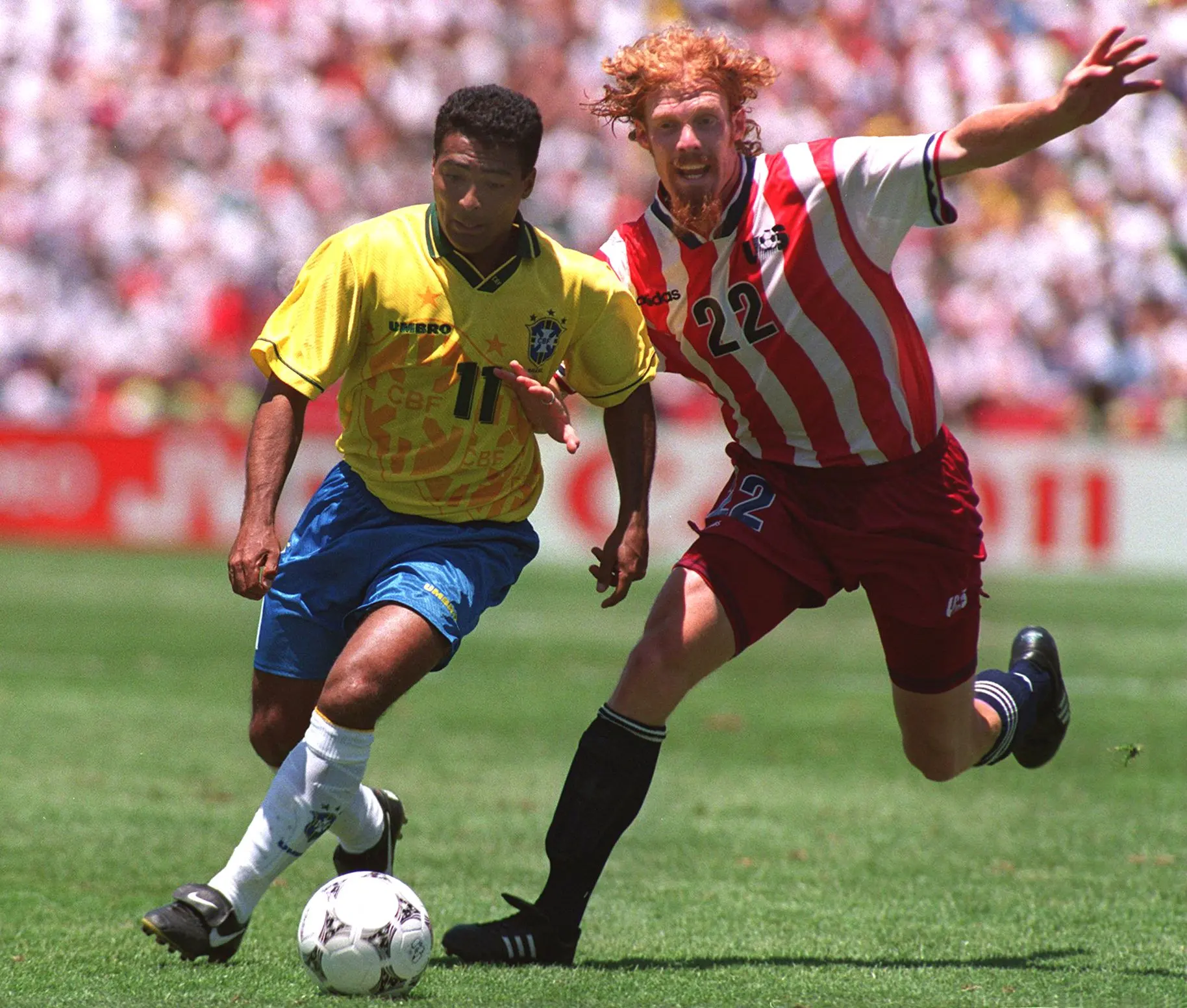 In 1994 we hosted the event for the first time as what was seen as a great opportunity to grow the game domestically, concurrent with a time when ESPN was bringing the full slate of matches into our homes live and, more importantly, in our time zones. The U.S. actually made it into the knockout round, which as FOX SPORTS chronicled on their website involved some seminal moments:
Skeptics in Europe and South America argued that a country without a top-tier professional league, paired with a population that supposedly didn’t “understand” the game, was a questionable choice for the world’s biggest sporting event. But what unfolded over the course of the summer was a memorable tournament witnessed by massive crowds at stadiums that were known more for the other kind of football. American soccer had its long-awaited defining moment.
After splitting points in the opener against Switzerland, the U.S. stunned a heavily favored Colombia team in a 2‑1 victory at the Rose Bowl. But that followed a 1-0 loss in the same stadium to group winners Romania, thus relegating the U.S. to a third-place finish in the group and a Round of 16 date with Brazil. On a sunny July 4 afternoon, the USA took on mighty Brazil at Stanford Stadium in Palo Alto. A rough and tumble match that saw the Brazilians play part of the match a man down due to a red card, the USA couldn’t break down the more talented South American squad. Brazil ended the Americans’ dream with a 1‑0 victory.
Not that I remember much of transpired. I was preoccupied with the planning and inevitable arguments surrounding my wedding, and my fiance was decidedly not a soccer fan. And that July 4th match was contested while we were en route to our honeymoon in Hawaii. When we briefly deplaned in Honolulu en route to Maui the match was in its final minutes, and I couldn’t help but belly up to the airport bar to see if a comeback was possible. Didn’t exactly set the mood for the rest of the week.
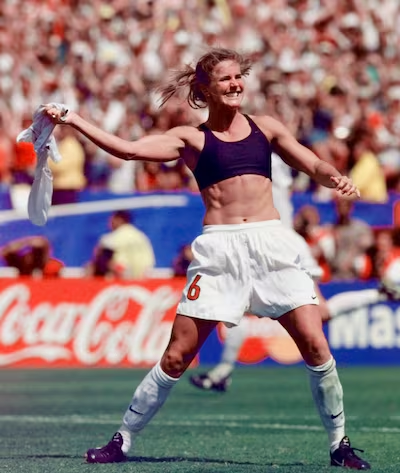 Five years later, the Women’s World Cup was hosted here, and I had an even more vested interest as one of my more beloved subordinates had been a Bay Area soccer player in high school and had played with and against one Brandi Chastain, who became iconic not only for the Cup her penalty kick goal against China won but the perky cups she willingly revealed to the world in the midst of her celebration. Alas, while my colleague was hanging with mutual friends who wound up doing shots with Chastain during the celebration following that Rose Bowl match I was going over paperwork my lawyer had sent me earlier that week that was detailing the terms of my first divorce. Much like the beautiful game itself, timing is everything.
And the last time the World Cup was contested in this hemisphere–in Brazil during the broiling hot June of 2014–my ability to focus was usurped by the fact that my dad had coded in a rehab facility on Father’s Day weekend and I was immediately summoned to New York to keep a vigil on him as well as explore palliative care options. Our old neighborhood had by this point become a South American and Asian-heavy community, so the match between Colombia and Japan was a big enough deal that every TV in his hospital was tuned to it. At least the nurses and orderlies who noticed my distress were open to trying to ease my pain by explaining who their favorite players were and why–since by this point Dad was no longer capable of speaking. And just when things seemed like had settled so that we could move him into a facility G-d intervened and took him right before Championship Weekend. Once again, I was on a plane when a big World Cup match was occurring.
So with no spouse or parent in the mix perhaps at least now I can pay attention to what at least CBS NEWS’
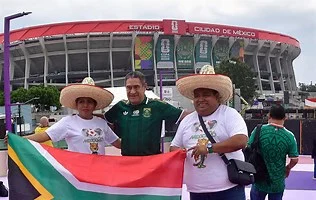 The biggest World Cup tournament in history has arrived in North America, and soccer fans across the globe are buzzing with excitement for the opening matches and star-studded ceremonies on Thursday and Friday. From Mexico City to New York to Toronto, millions of spectators draped in their country’s colors will gather to watch 48 national soccer teams compete at the 2026 FIFA Men’s World Cup. It’s the first time the tournament will use the newly expanded field, up from the previous 32-team format that had been in place since 1998.
Before the Group A match between Mexico and South Africa kicks off Thursday at the Estadio Azteca in Mexico City, Shakira and Burna Boy will perform “Dai Dai,” the official song of the 2026 FIFA World Cup, at the opening ceremony…The matchup feels like déjà vu, as the two nations also faced each other on June 11 when South Africa hosted the 2010 FIFA World Cup. They drew 1-1. This time, the Mexican national team will have the advantage of playing at its home stadium. Another Group A match taking place Thursday at 9 p.m. local time (11 p.m. ET) will be between South Korea and Czechia at Akron Stadium in Zapopan, near Guadalajara, Mexico.
This time around, it’s more than merely the matches themselves that will be providing opportunities to engage and focus. Once again, Evan Shapiro provided some insight as to how the opportunity to focus has grown and evolved in his ESHAP newsletter this morning, courtesy of one Scott Melvin of a venture called The Overlap:
Scott takes us behind the scenes of a sports media empire that began as a simple YouTube side hustle with Gary Neville. They started with a radically simple, totally unscripted rule: put legendary athletes in a room, start rolling the cameras the second they walk in, and give them an hour and a half to say whatever they want. The result? Content magic that surrounds sports while also transcending it.
Traditional TV execs want us to believe that the world completely stops for hours and hours of linear broadcast (and in soccer that could even be scoreless!). They pour billions into exclusive sports rights because it is the absolute last thread keeping legacy television afloat. But if you only look at live broadcast metrics, you completely missing the goal – the most seismic shifts in modern media history are happening right now, in sport.
Traditional TV assumes sports fans just want the match. The data proves otherwise. Digital-first shoulder content—raw conversations, unscripted clip culture, and post-game reactions—frequently outpaces official live broadcast views by 20x.
And wouldn’t you know that I recently had the chance to research a white paper that chronicled how that came to pass since the last World Cup was contested in the dead of December a world away in Qatar:
— FIFA+ and the LiveMode partnership signal a new era of interactive, real-time sports streaming —redefining the match-day experience at global scale.
— FAST channels are now the primary distribution layer for soccer content in the US, with viewership surging dramatically through 2024–2026.
— SVOD platforms are aggressively acquiring soccer rights as the sport overtakes traditional US sports in digital engagement metrics.
— The 2025 summer tournament cycle catalyzed a measurable, lasting shift in American sports media consumption habits and platform loyalty.
— From 2023’s infrastructure buildout to 2026’s monetization maturity, soccer’s digital arc is now a definitive blueprint for all live sports media.
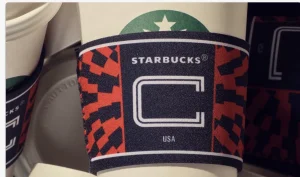 So I think I’m as ready as I’ve ever been to at least try and enjoy the action and conversation ahead. I sure hope the coffee can help.
Until next time…