
The world lost yet another legend yesterday when Ted Turner finally succumbed to the Lewy body dementia that had valiantly fought for years. He made it to 87 and change, which is a decent enough lifespan in itself, and he crammed enough vision, swashbuckling, success and philanthropy into it that would have taken mere mortals several dozen lifetimes to even attempt to equal. But if you were fortunate enough to have known or even interacted with the man you’d likely agree it wasn’t nearly long enough.
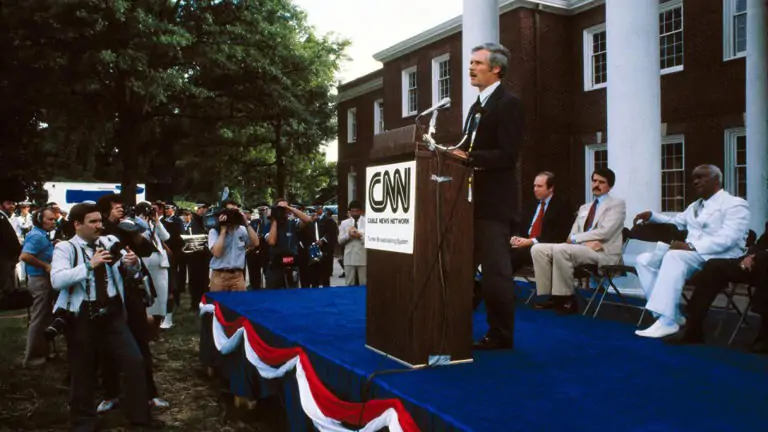 When MAX (that was its monicker of that moment) dropped the compelling six-part documentary CALL ME TED in November 2024 it gave me an opportunity to wax nostalgic about some of my experiences with him. If you can find it on the platform or perhaps a burner You Tube account please try and do so; it does an excellent job providing moving pictures and narrative to the many obituaries and tributes that emerged from pretty much all of the worlds that Leblanguage attempts to touch on–media, sports, politics and life. Ted touched all of them, achieving unquestioned success but yet somehow still managing to have an accessibility to the common man and ever reminding us that he was as flawed as any of us. I had a few more stories left in my quiver that underscore that.
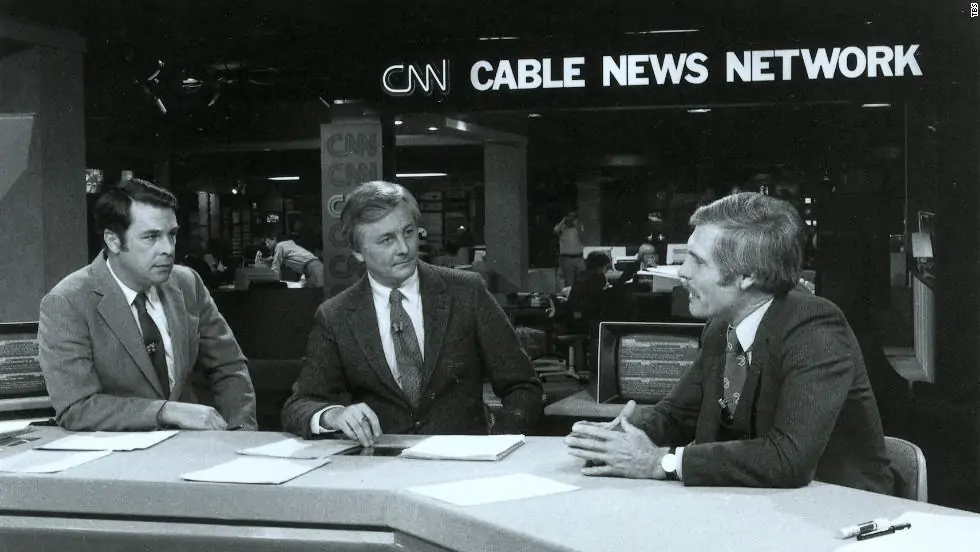 When I first joined Turner my old boss at FOX whose jumping ship afforded me my first executive gig was entrenched in a similar role with the distribution arm I was hired to consult for. He had recently driven his prized classic Mercedes 280 cross-country after he had trusted a–ahem–popular sales assistant with it for years and was nice enough to shuttle me from my hotel to CNN Center to show it off once more. All of the CNN employees parked on the “decks”, a massive garage that also serviced the adjacent Omni arena and World Congress convention centers. Ted just happened to pull in when we did, driving a nondescript Toyota Camry which I learned was one of the more ostentatious vehicles he had owned in recent years. He always called him by his given first name of Raleigh rather than the middle name he preferred to go by–in Ted’s words, “it sounded more Southern”. My first direct exposure to Ted Turner was a three-minute barrage of mocking and questioning of my ride: “Raleigh, I’m obviously paying you too much!!” “Who do you think you’re impressing, Raleigh?” “Getting much action with that, Raleigh?”. Compared to the kind of greetings I’d get from my most recent bosses, I knew right then this Toto was no longer in Kansas.
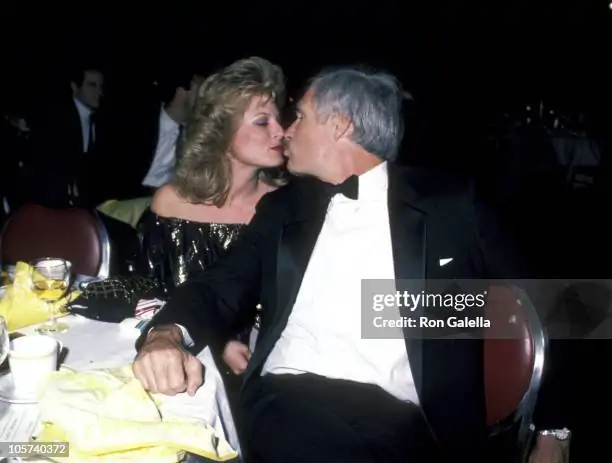 Raleigh and a few of his newer troops would frequently wind down the days I was in town with nightcaps at the Omni hotel bar which was immediately adjacent to our offices. The bartender had been there from the beginning and was a trivia expert who took a shine to my own expertise with TV and took particular joy in stumping us when it came to movies. In between rounds he’d regale us with all of the inside dirt and confessionals he had picked up, and since Ted kept an apartment in the hotel he was effectively Father Confessor. I learned from Mr. Trivia that it had been an open secret that he had a relationship with a comely and omnipresent on-air personality named Liz Wickersham for years. Sure enough, on one particularly late-starting night where we stayed until last call Ted snuck into the back of the restaurant area with Liz in tow–a few months after he went down the aisle with Jane Fonda. Were paparazzi as prevalent in Atlanta as they were in New York and Los Angeles, this might have been Page Six-worthy. As if on cue, Ted sauntered up to the bar area, ordered a drink and slipped a Benjamin into our friend’s hand. “Not the first time that’s happened, and it probably won’t be the last”, he said with a wink.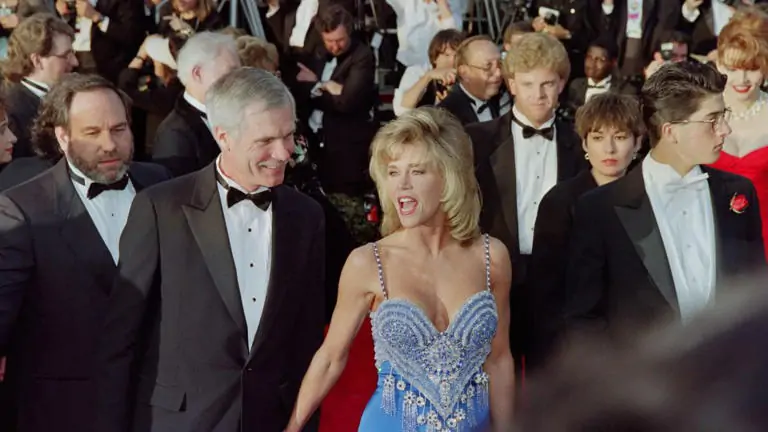
Ted even volunteered hints of his sometimes unquenched appetites when he held a town hall in the decrepit Los Angeles Sports Arena for the staffs of Castle Rock and New Line Cinema when he expanded his West Coast portfolio–and my consulting responsibilities–with their acquisitions. He opened the floor for questions, with one in particular sticking out in my mind after lo so many years. One of the newbies picked up on the nugget he dropped in his welcoming speech that combining the output of movies from those companies, not to mention the prolific Turner Pictures which Ted himself made a cameo in his personal pet project GETTYSBURG, that the total eclipsed the output of such established stalwarts as Orion Pictures and Miramax. ”
“You think we can get a lot now, Ted?”, asked the cheeky newbie. “Get a lot?! Hell, no. I’m married now. Even I don’t get a lot any more”.
My office was next door to the LA-based head of HR, one of the few such executives I’ve encountered over the years with a personality. She proceeded to tell me in detail about the seven toxic work environment claims that had been filed in the wake of that speech. Again, I was told this wasn’t a unique experience when it came to dealing with Ted.
His head of program acquisitions frequently shuttled between Atlanta and Los Angeles and became yet another trusted source for Ted stories. Ted called him “Bubba”, which was about as unlikely a moniker as this bookish gentleman merited, so once more someone was motivated to spill some tea. When Warner Brothers put reruns of ER up for sale in syndication they aggressively sought more than a million dollars per episode for the non-exclusive cable network window. At that time “left pocket/right pocket” deals between sales and network divisions was becoming common, so “Bubba” was sniffing around MTM to see what was going on with AMERICA’S FUNNIEST HOME VIDEOS–the assumption being The Family Channel would get those rights. In an attempt to curry sympathy from us, “Bubba” shared that despite the fact that he knew darn well that such a price for a serialized hour–which rarely reran with success for more than one off-network cycle–was ridiculous, when he told Ted about it his response was “Well, that’s ‘us’ selling it right? Pay it! We’re keeping the money in house”. P.S: Bubba got the cable rights to AFHV at a fraction of ER’s cost, and its run on TBS made the company far more than ER’s run on TNT did.
 Yet amidst this Page Six backdrop Ted never failed to impress his research czar as a remarkably savvy and creative enabler of being open to the kinds of ideas folks like us would conjure up. The great Bob Sieber regaled many of us at various industry conferences while star-gazing with his trusty travel telescope with two such examples. One more commonly known was the creation of “Turner Time”, which meant programs would start at five and thirty-minutes after the hour so as to get their own unique listing in TV Guide–something a channel that began with the letter T wouldn’t otherwise have gotten since TV Guide listed cable networks in alphabetical order. Ted initially wanted to start shows at 17 minutes after the hour, an homage to TBS’ Channel 17 roots. Bob’s counsel that Nielsen would credit a viewing source for a full quarter-hour if they watched at least seven and a half-minutes of it amended his thoughts, much to the relief of ad buyers everywhere. Bob also picked up on Ted’s frequent references that “we’re doing great where people can see us” to successfully lobby Nielsen to create a “coverage area rating” that produced a number that buyers could “post” off of. It was a simple calculation but Nielsen mandated that it needed to be produced in a separate “pocketpiece” at incremental cost to subscribers. With TBS’ success, about two dozen other cable networks followed suit. Many of these little booklets were barely two pages, but Nielsen was able to charge tens of thousands of dollars annually to companies like mine that were trying to sell them shows. To his credit, Bob would generously pick up our bar tabs at these conferences, offering that he and Turner made more than enough using this data to cover his expense account.
There’s plenty more stories about there about Ted that have been cropping up since yesterday. The CNN piece that Brian Stelter and Ann O’Neil co-authored is understandably detailed and reverent. My own social media timelines are rampant with other personal anecdotes, some way more juicy and reflective than mine. They worked for Turner companies for longer periods and had more direct interactions with him than I did. Nonetheless, there is a common thread with all of these tributes and salutes. He made an undeniable impact on us all, and we’re all way better off having had the experience.
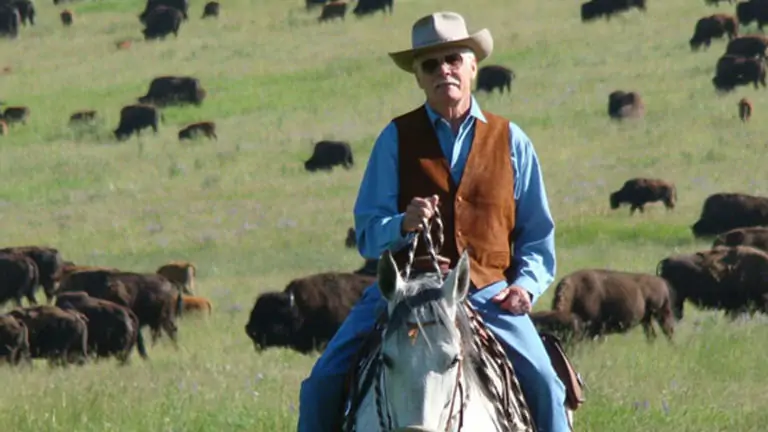 Rest easy, cowboy.
Until next time…