
No, I haven’t actually met Arsenio Hall–not even professionally. It’s kind of a shame considering we’ve essentially had parallel lives–though he’s undoubtedly been a lot smarter about what he’s done with his success than I’ve been with mine.
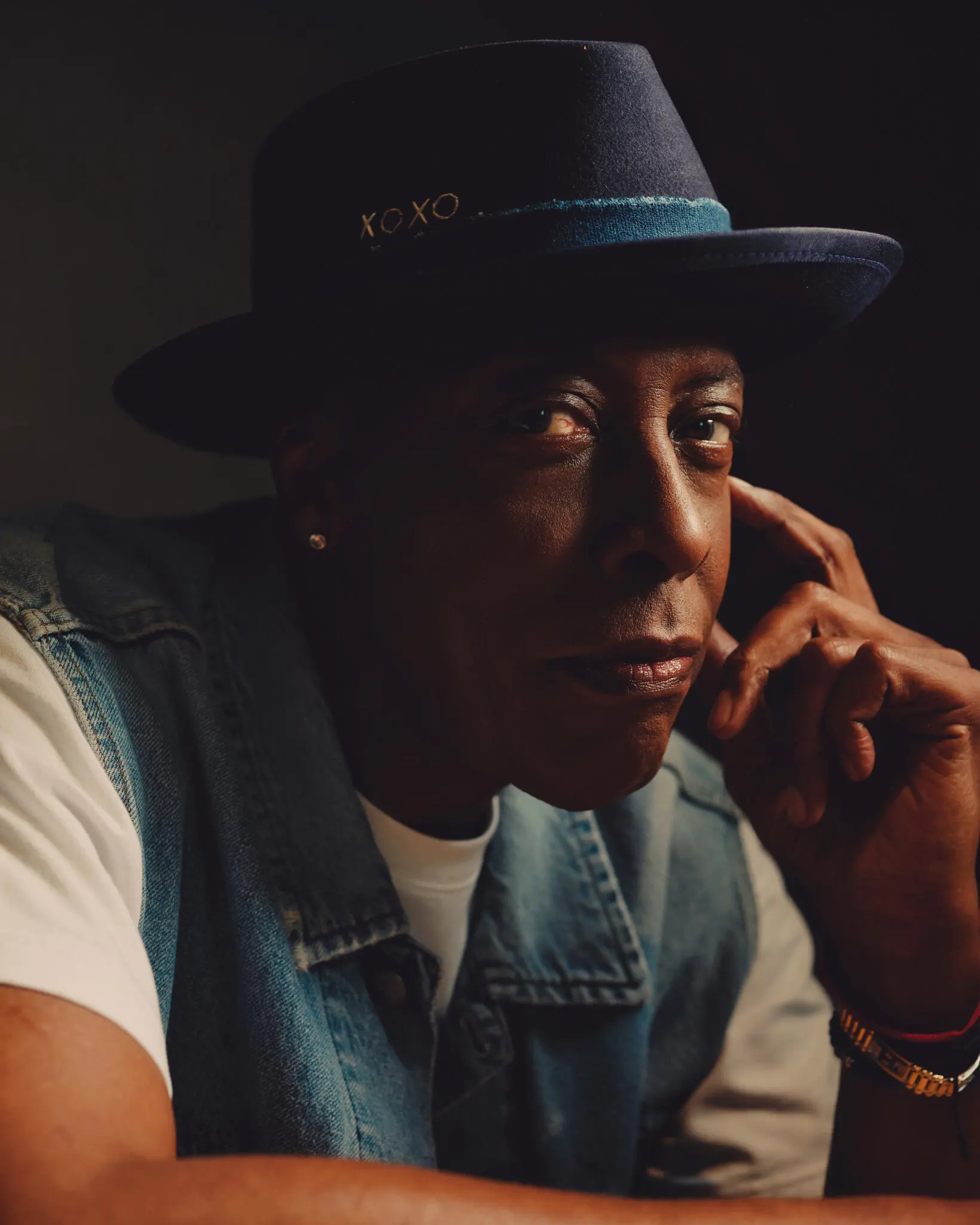 We both arguably peaked in the late ’80s and early ’90s; me rising to head up programming for eight of the most successful and desirable television stations in America and he providing 140 others–including what at least on paper at the time were the weakest ones we competed with–with a syndicated late night talk show that came about mostly because he was able to effectively stop the bleeding that FOX had created in the daypart with the ill-fated first effort that was THE LATE SHOW WITH JOAN RIVERS. After Joan was ignominiously fired by a frustrated Barry Diller in the spring of 1987 because she was unable to compete with Johnny Carson and THE TONIGHT SHOW beyond the first week, the network stubbornly rode out their contractual commitment to its affiliates with a series of guest hosts that were de facto auditions for future employment. The only one that showed even a hint of traction was Hall, at this point an up-and-coming stand-up comedian with a hip-hop attitude–the absolute opposite of Rivers. Some of the younger FOX braintrust took note of this–myself included. But after such a disastrous effort which nearly kneecapped the fledgling network’s start even before a couple of shows with similar demography and brashness–21 JUMP STREET and MARRIED…WITH CHILDREN most notably–there was no chance in hell that our superiors were going to give Hall the shot he had earned.
 But as he describes in his eponymous autobiography which dropped last week Arsenio did have fans among those not named Diller or Murdoch–one in particular being a fellow Cleveland native named Lucie Salhany. She had held a similar job to the one I was just embarking on with a large group of what became some of the most significant FOX affiliates that Taft Broadcasting owned, including a cash cow in Philadelphia where shows with the sort of counterprogramming appeal like Hall promised were of primary importance. She eventually found her way to Hollywood where she headed Paramount’s TV distribution arm–the de facto competitor to my division of 20th Century FOX. Hall describes in detail the determined pursuit she showed when she fought to bring him into her camp. He was already cast in what eventually became COMING TO AMERICA, a breakout theatrical for Eddie Murphy, but there was the nagging question of what else to do with him. For someone who grew up in a Cleveland where Mike Douglas’ daily show was developed, for a TV geek who remembered the logo of DINAH! in enough detail to copy her flared first letter in his logo, and for someone who dreamed of hosting THE TONIGHT SHOW, Salhany’s trust and belief was serendipitous.
And, frankly, Lucie was due for another feather in her cap. Sure, the division was raking in money with the outsized success of ENTERTAINMENT TONIGHT and STAR TREK: THE NEXT GENERATION and a ton of desirable off-network comedies like CHEERS and FAMILY TIES–not to mention local station rights to all of those great movies of the 70s and 80s that Diller had championed during his tenure as a boy genius studio head. But a successful strip–particularly in a daypart as lucrative as late night offered at the time–was where the biggest payoff was possible. And since she was one of the creative forces that helped bring ET to fruition while at Taft (they also owned a whole slew of mid-sized Big Three affiliates), she had the gravitas to give it a go.
It wasn’t without its hurdles. Not only were my stations off limits, but the major market stations owned by Tribune that benefitted most from Rivers’ misstep were more than set in the daypart with CHEERS reruns–not to mention a whole slew of coattails comedies that had no barter advertising attached to them to cut into their profits. Hall’s launch group was initially the third-tier Chris Craft-owned stations that barely registered in either households or key sales demographics in late night. The early returns on those stations were proportionately outstanding even if they were still competitively weak. But when shortly after he launched the CBS network crapped the bed in the daypart with an even bigger failure than was Rivers in the form of WHEEL OF FORTUNE’s Pat Sajak upgrade opportunities and a more established lineup of stations in many key markets arose–Cleveland being only one of them. Before the start of the new decade Hall was a solid number two overall to Carson and number one by a longshot with adults 18-34. And Sajak’s show was deserved history.
 ARSENIO recounts that successful syndication war–one that I obviously knew a lot about. It also offers some never-before-amplified details and dirt that at least I had never known–or forgotten– about that happened during the show’s Roman Candle-ish six-year run which THE NEW YORK TIMES’ Jason Zinoman shared last week:
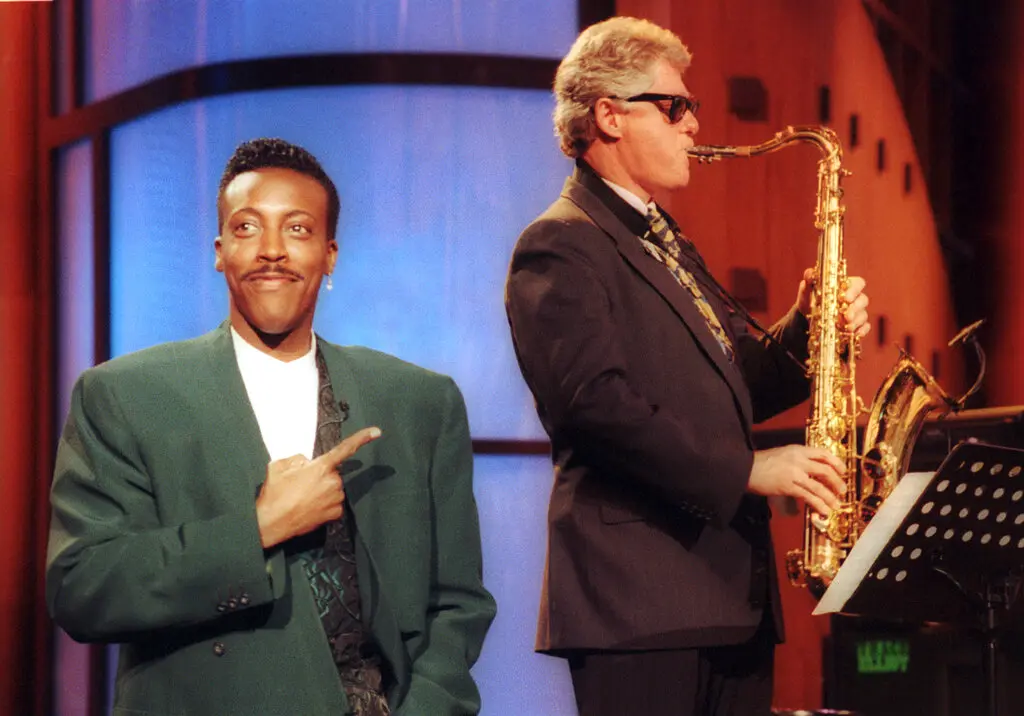 Hall dispensed with the desk, the signature furniture of late night, and added a section of barking audience members called the Dog Pound. He embraced music acts ignored by competitors, giving a national platform to hip-hop stars like Tupac and Q-Tip when that was rare, and proved adept at creating water cooler moments: Bill Clinton playing the sax, Andrew Dice Clay breaking down in tears and (my personal favorite) Jason Voorhees, the “Friday the 13th” serial killer, appearing as a guest in a hilariously absurd segment. (H)e focuses on the six-year run of the late-night show and its pop-culture legacy, describing how he convinced Snoop Dogg to overcome his fear of appearing on television and brokered a meeting that led to the creation of “The Fresh Prince of Bel Air.”
He also recounts with more than a touch of bitterness how the situation quickly devolved for him once Salhany was lured away by Diller to head up the very division I worked for, which quickly evolved into her adding responsibilities for the FOX network itself. In particular he notes the outsized attention being paid to focus group research during the process, dismissing the findings as white people thought the show was too Black and Black people wanted it Blacker. As someone who has been often forced to delicately deliver such findings to superiors and stakeholders I am more than sympatico with the emotions that to this day emerge in Hall’s narrative. When they were delivered to someone with Salhany’s sechel and demeanor they could be distilled and dealt with constructively. But in the hands of her successors, one of which was described by his colleages as “the very definition of WASP”, the worst-case outcome was inevitable. And once the CBS affiliates that were swayed into supporting a program that didn’t exactly compliment the balance of their network and news offerings were able to get their paws on a much less polarizing figure as David Letterman, Arsenio would up in those markets as a downgraded–and often second-place–counter to Conan O’Brien. By Memorial Day 1994–two years to the weekend after Carson left his building for the final time–so too did Hall depart his now-famous Stage 29.
Neither Hall nor moi have exactly sat out the last three decades. He’s done a couple of short-lived series, including an unsuccessful attempt to resurrect the talk show in 2013 with those very Tribune stations that passed on his a quarter-century earlier. He’s got a partner and a son, particularly important for someone like him who grew up an only child and whose other father, 65 when he was born, had passed shortly before his career exploded. And via this book he displays the wisdom and ability to look back in a somewhat more detached manner.
Kinda like what I try to do with these musings. Except he’s just that much more successful in being able to do it. Isn’t that right, Lucie?
Until next time…