
My AI skill sets have improved of late, as some of you may have noticed from the occasional graphics that grace these musings. I primarily use Copilot cuz it’s ubiquitously available and, most importantly, free, and I’ve learned how to trick the interface into allowing me to get away with a bit more bitingly satirical creations. After all, with both Yosemite Zas and Bob AIger fading into obscurity, we are in need of fresh new blood. Barium Enema and the Streaming Dominatrix are just the tip of this particular iceberg.
But I admit I’m still extremely lagging when it comes to creating video. That may stem from the fact that I never did master the likes of IMovie and I’m not all that prone to go live on the ‘Gram. I dabbled with both when I had more time but a less powerful device on my hands and I was most underwhelmed with the results. And heck, I’m absolutely not in the demo sweet spot that’s more likely to want to try and improve on it.
That said, I do appreciate the magnitude of the news that among others BUSINESS INSIDER’s and dropped yesterday:
 OpenAI is pulling the plug on the Sora app — at least in the current form. The company confirmed it will discontinue Sora as a consumer app and API, marking a sharp pivot away from one of its splashiest generative video experiments.
“We’ve decided to discontinue Sora in the consumer app and API,” an OpenAI spokesperson said. “As we focus and compute demand grows, the Sora research team continues to focus on world simulation research to advance robotics that will help people solve real-world, physical tasks.”
The discontinuation is a notable turn for a product that once embodied OpenAI’s creative ambitions. When Sora launched in late September 2025, it quickly went viral for generating realistic, cinematic video clips from text prompts.
The TikTok-esque app hit No. 1 on Apple’s App Store and hit 1 million downloads in under five days, according to October posts from Sora lead Bill Peebles, who described “surging growth” as the team raced to keep up with demand.
For as big a deal as all that is, the spin around those closer to old-school media was akin to V-J day, as evidenced by how DEADLINE’s Dominic Patten framed it:
 Disney‘s much heralded $1 billion investment in OpenAI is over as the Sam Altman-led tech giant said Tuesday that it will be shuttering its stand-alone Sora text-to-video app. “The deal is not moving forward,” a Disney insider told Deadline of the agreement then-House of Mouse CEO Bob Iger reached last year with Altman. Even though Disney unveiled its investment the IPO-inclined OpenAI in December, it appears no actual money changed hands as the deal was never finalized, I hear. Having said that, it looks dicey that the AI startup will continue to have access to license 250 Disney characters, for which they were set to pay the Burbank-based media giant.
The big-bucks injection late last year from Disney looked to reset the IP battle between artificial intelligence and Hollywood by permitting iconic characters from Frozen, Star Wars and the Marvel multiverse to be used on the generative AI video app. The three-year deal with OpenAI was supposed to make the leap to hyperspace this spring, Iger and other Disney brass boasted on a February earnings call. Today, that all went in the digital trash(.)
And this take was amplified by an even more gloating summation authored by INTERESTING ENGINEERING’s Aamir Khollam:
 Sora’s rapid rise triggered immediate concern across Hollywood. Studios and creators raised alarms about how AI models trained on existing content.The Sora 2 system used an opt-out model for copyrighted material. Rights holders had to request removal instead of granting permission upfront. That approach drew strong criticism. The backlash highlighted growing global resistance to AI training practices.
Disney also took aggressive legal steps against other AI companies. It issued cease-and-desist letters and filed lawsuits over alleged copyright violations. Those actions signaled a broader industry pushback. Sora’s shutdown reflects more than a product decision. It shows how quickly legal, creative, and business pressures can reshape AI development.
Well, I guess that explains why my personal experience with Sora was limited to an all-too-frequent array of morbidly obese rednecks getting violent when they were denied their eighth trip to an all-you-can-eat buffet, or some exceptionally terrible fake PRICE IS RIGHT clips with pathetic interpretations of the set and surroundings featuring an emcee only remotely resembling the actual Bob Barker interacting with anyone in the news cycle “winning” some ridiculous prize. Dead misoyginistic racists don’t tend to file opt-out claims, do they?
I’ll also add that this reversal of course may have as much to do with bad timing more than Hollywood backlash. Josh D’Amaro ascended to the top spot at Disney via the human experience route–and made an awful lot of profit for the company in the process. So I’m willing to bet a shilling that he’s probably nowhere near as obsessed with the promise of a virtual world than his predecessor appears to be.  And for as sassy and self-reliant as someone like Altman would like to pretend he is, getting a lot less enthusiastic support from a legacy company throwing you a billion dollar bone for your troubles is hardly an endorsement for a long-term relationship. Especially with those from a generation that came of age via TikTok and Adderall.
To be sure, this is far more a reset than a retreat, as the BI duo reminded their readers:
The move to scrap Sora comes as OpenAI is increasingly focused on core products as it attempts to make money ahead of a potential IPO. In August, CEO Sam Altman hired Fidji Simo, the 40-year-old former Instacart CEO and longtime Meta executive, to become the company’s product head. She and the company are tasked with ensuring their powerful models can sustain the enormous cost of training and deployment. “We cannot miss this moment because we are distracted by side quests,” Simo told employees at an all-hands meeting, according to a person familiar with her remarks. The company needs to nail productivity — primarily on the business side, and then on the consumer side, she said. “Everything else is going to have to take a backseat to those priorities.”
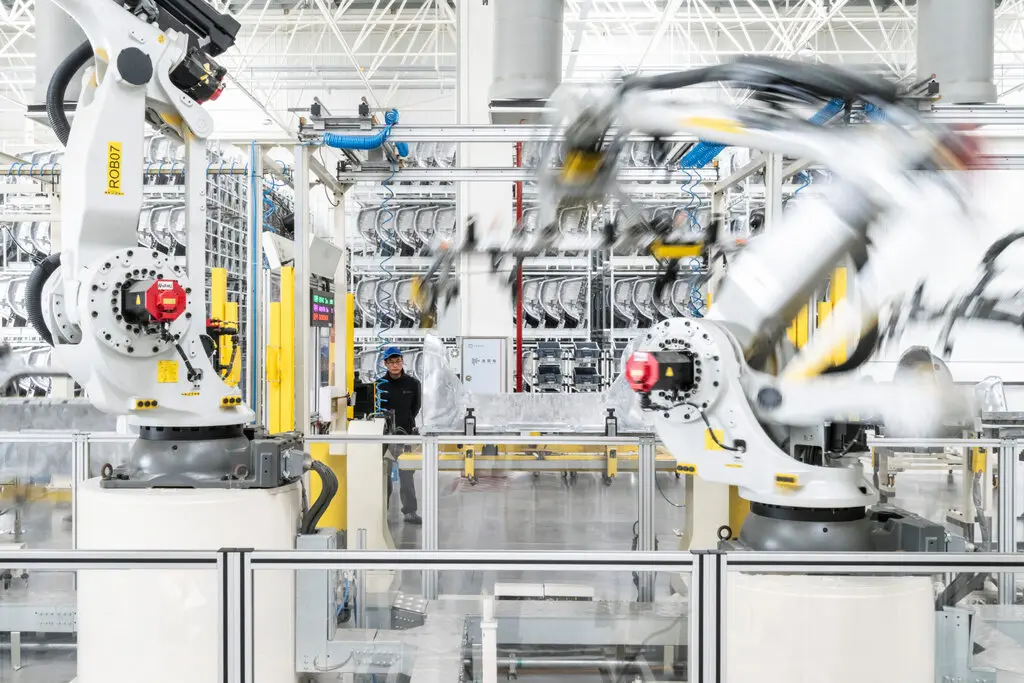 And after I listened yesterday morning to a fascinating report from THE DAILY’s resident Gen Zer Natalie Kitroeff that featured a highly authoritative Keith Bradsher— merely the NEW YORK TIMES’ Beijing bureau chief–mansplaining how China made it made enormous strides in manufacturing by being forced to adopt robotics as a necessary move after a generation of mandated one child per family policy had severely diminished the available human work force–opening the global manufacturing world’s eyes to the fact that when you eliminate the need to provide light, heat, food and other union benefits you can be all the more productive and efficient–you can get why Altman might be a tad more bullish on those sorts of upsides than giving doomscrolling incels an alternative platform to Grok.
I highly recommend you finding a way to listen as well. IMO, it’s a way more productive rabbit hole for your device and you to go down than tweaking a Bob Barker deepfake. And if you somehow still want to do that, you’re just gonna have to find another sandbox to play in other than Sora. Poor you.
Until next time…