
One could easily make the case that Ben Stiller’s success was genetically engineered. As the by-product of the prolific and enduring comedy team of Jerry Stiller and Anne Meara, whose off-screen love endured for 61 years of marriage, it’s easy to see where he got his ability to morph into memorable characters (Y chromosome) and looks (X chromosome). Comic timing and empathy clearly comes from both of them.
 You’re probably familiar with Jerry and Anne’s careers; initially as breakout and frequent guest performerson the ED SULLIVAN SHOW and then among the most bookable and reliable celebrity game show players of the glutted 70s and 80s. Anne in particular was as savvy and energetic as anyone around and would often be booked on pilots by producers hoping to sell otherwise meh formats. One of my few encounters with her was at one such tepid exercise where she begged my friends and I to stick around for a second episode, waving a slightly used wad of tissue like a mace for emphasis.
I never did meet Jerry, but an awful lot of my one-time Sony colleagues did and to a person they loved and revered him. And why not? His memorable roles as the daffy Frank Costanza on SEINFELD and the cantankerous Arthur Spooner on THE KING OF QUEENS helped make both of those shows long-running and hugely profitable–and he didn’t do too badly in the process. Anne made a pretty nice living in her own right as a recognizable co-star, perhaps most significantly in her later years as Miranda’s dotty yet doting mother-in-law on SEX AND THE CITY.
Thanks to Ben’s unique talents as a filmmaker, we finally get a look into arguably this First Family of comedy with his first documentary, STILLER AND MEARA: NOTHING IS LOST, which headed to theatres for a brief run this weekend before it settles onto the newly-branded APPLE TV platform this coming Friday. Forget the old “+” sign; this clearly deserves multiple such designations. Per ROGER EBERT.com’s Jourdain Searles:
 “Stiller & Meara: Nothing is Lost” is an intimate family portrait that incorporates home video footage and recorded conversations between the titular couple. One of the first things we learn about Jerry is that he wanted to record everything his wife and children did, from the regular family moments to rehearsed skits and performances. The archival footage of Stiller & Meara’s performances plays throughout the film, providing context on how specific jokes were developed between the two.
But as COLLIDER’s Ross Bonaime astutely observed, it wasn’t always a barrel of laughs for those two:
For Jerry Stiller, trying to be a success in comedy was a constant struggle, as he had to practice over and over again to get things just right before going on stage. Yet he found a great partner in Anne Meara, who had larger ambitions of being more than just a comedian. They worked together on countless shows, but Nothing Is Lost also shows that making it in the entertainment world isn’t easy, despite how talented you might be.
Searles doubled down on that thought:
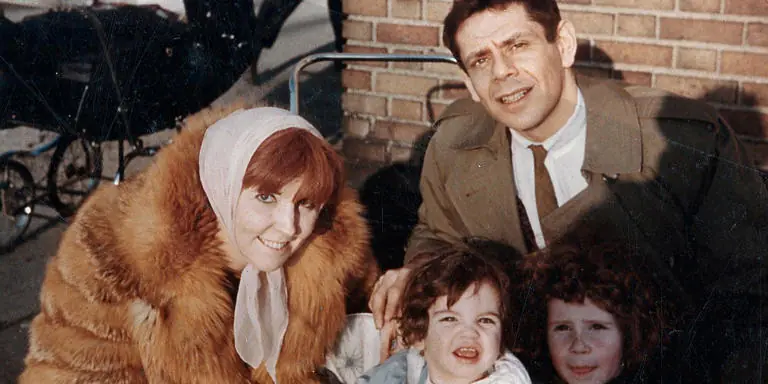 Behind the scenes, there was tension. Jerry wanted to do everything with Anne, while she craved emotional and professional independence. Stiller delves deep into the familial trauma of both his parents and how that trauma manifested within their roles as actors, coworkers, and parents. While they both dealt with melancholy, Jerry’s solution was work, success, and public adoration. Meara didn’t care much about any of that, drinking to excess to deal with the pressure of it all. Stiller’s empathy for his mother is a highlight of the film. It’s rare to see a son speak of his mother as a complex woman, especially when that complexity could so easily be painted with a broad, misogynistic brush.
If this were merely just a tribute from a loving and appreciative son NOTHING IS LOST would be worthy of my attention, let alone yours, for that reason alone. But as PEOPLE’s
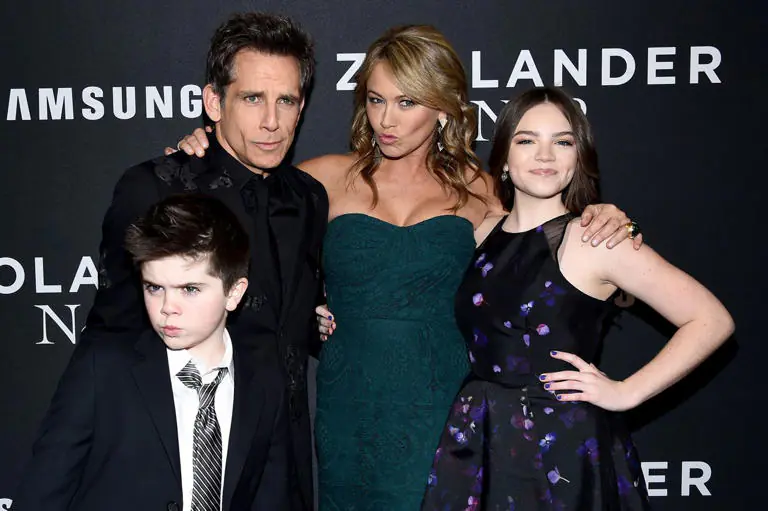 Ben Stiller also examines his relationship with his own children through honest conversations caught on camera. One particularly poignant moment comes when Stiller’s son Quin, 20, whom he shares with wife Christine Taylor, says he sometimes felt Stiller, 59, did not prioritize fatherhood. (Stiller and Taylor also share daughter Ella, 23.)…Elsewhere in the film, Stiller talks with his son about what aspects of his father he sees in himself, especially when it comes to managing fatherhood and fame. During the sitdown with Quin, Stiller recalls a time when he opened up to his dad Jerry about feeling as though he didn’t “pay enough attention” to him — in that moment, a fan approached the two, and Jerry turned to engage with the fan. “That’s actually hilarious,” Quin responds. “Because just a few weeks ago, we were all out at a restaurant, and I had been stressed about college stuff, and then the people there wanted to get, like, a picture with you. Then I just remember I was so frustrated, like the world just has to stop to get this picture. You know what I mean?”.
And as Searles further added, we also get a look at less famous Stillers who have their her own experiences and stories:
The inclusion of his older sister Amy adds further dimension to the family portrait, allowing the two to have frank, vulnerable discussions about what it was like for them growing up…. In one raw moment, Amy opens up to Ben about how it felt to watch him become famous while she struggled to break into the industry. Ben is quiet as she speaks, giving her the space to fully express herself…Ben’s wife, actress Christine Taylor, is also present in the film, discussing their relationship on and offscreen…As we learn more about three generations of Stillers, the film takes the shape of a family therapy session that just happens to be lovingly crafted into a feature documentary.
Frank Costanza and those who celebrate Festivus would be proud.
Until next time…