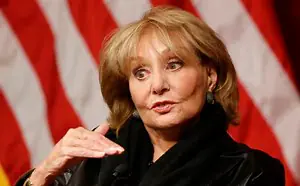
 I’m in the demographic sweet spot that was undoubtedly going to click on TELL ME EVERYTHING, the Hulu documentary about the life and career of Barbara Walters that the platform dropped yesterday. You’ve undoubtedly heard of her given the breadth of her storied career, a six decade juggernaut where she was ever-present in both daytime and prime time. In more recent times, she was the mastermind and epicenter of THE VIEW, considered to be appointment television for soccer moms and game show avoiders and, remarkably, the first legitimately succeesful daytime network launch since THE PRICE IS RIGHT–which it has effectively competed against head-to-head for nearly three decades. But before that, she was appointment television for pretty much anyone interested in anyone remotely interesting. At a time when PEOPLE magazine took root bt galvanizing pop culture and politics into a compelling compendium, Walters’ signature prime time interview hours were the very definition of how to command attention.
DECIDER’s Johnny Loftus pretty much summed up the lens I have seen her through in the review he dropped yesterday:
Imagine if there was only one podcast, it only aired like once a month, and everyone in the country swore by that single source as the only real access to any person who happened to be in the public eye. It was like that once, when Barbara Walters was putting up numbers with her primetime specials and one-on-one interviews with celebrities, newsmakers, and celebrity newsmakers. You can take this in confidence from Walters herself, who notes with considerable pride in Tell Me Everything that her March 1999 sit-down with Monica Lewinsky “was the highest-rated news interview of all time, and nothing has surpassed it.”
Lewinsky is there in this 1:35 celebration, as are pretty much every prominent female news and entertainment personality alive today. Walters was a trailblazer for them, from her earliest days as a contributor and eventual co-host of THE TODAY SHOW to her ill-fated million-dollar gambit as the first female anchor (well, co-) of a network newscast when she bolted to ABC in the mid-70s to her far more successful ABC stints, which also included a stellar run sharing the 20/20 hosting duties with yet another TODAY SHOW alumnus, Hugh Downs. VANITY FAIR’s Savannah Walsh interviewed several of these highly successful women herself and did a great job capturing the degree of their reverence in the piece she dropped yesterday:
Connie Chung
Chung recently said that early in her career, Walters mentored her. “But as soon as I was planted in the same network, it was really scary because she had power—and she wanted to hold onto her power. But I was okay with that.”
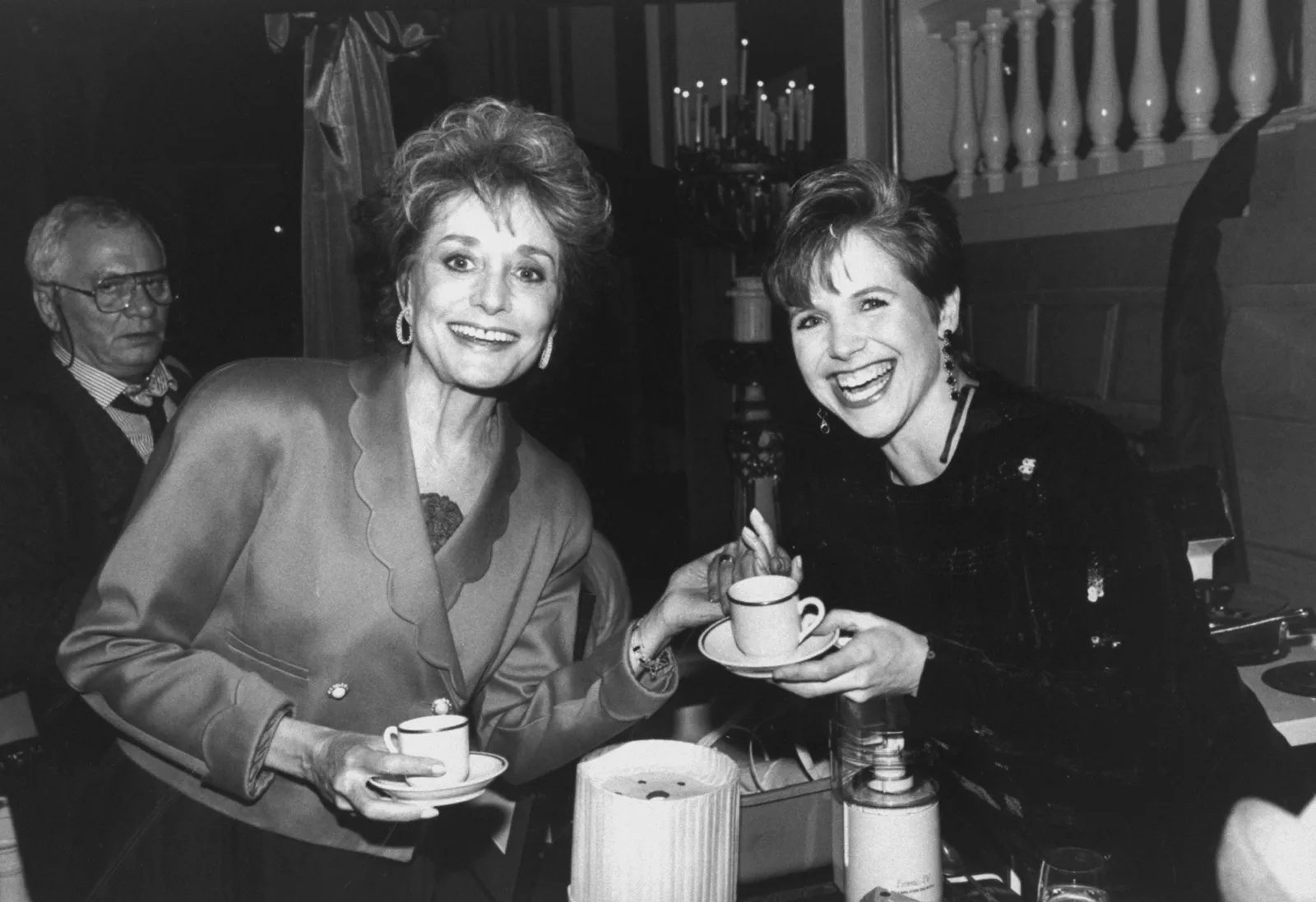 Katie Couric
Couric, who became the first solo female anchor of a major network evening news program when she moved to CBS, also had heartfelt words for Walters upon her passing. Calling her “the OG of female broadcasters” on Instagram, Couric wrote, “She was just as comfortable interviewing world leaders as she was Oscar winners, and her body of work is unparalleled.
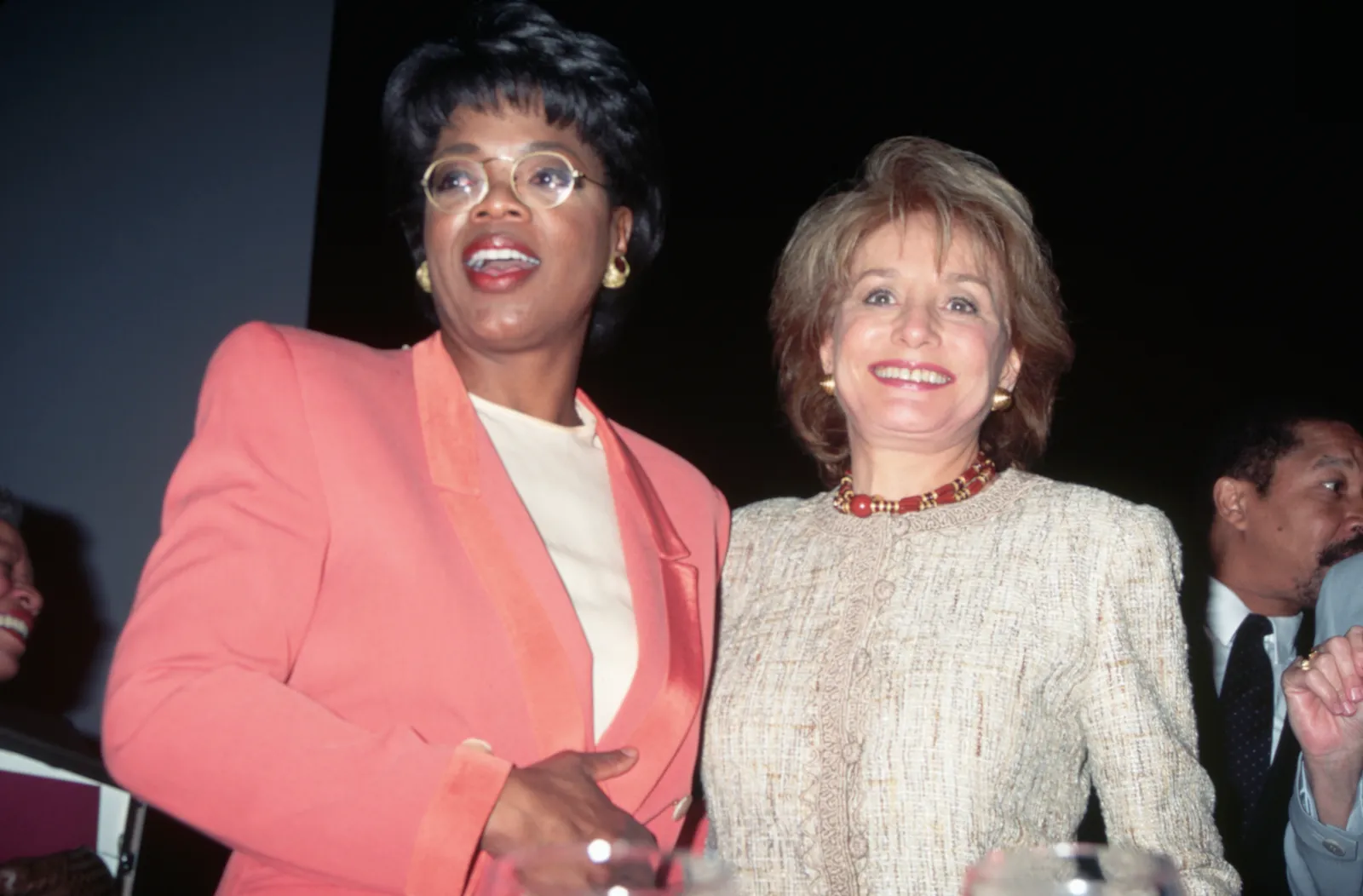 “She was a mentor for me before she knew that she was a mentor,” Winfrey says in the film, sharing her experience of watching Walters on TV as a kid. “She was looking for a vulnerability that you had not offered to the world.” During her 1988 sit-down with Walters, Winfrey talked openly about being sexually abused. “She asked the question that nobody else had asked, and asked it in a way that always hit a nerve.”
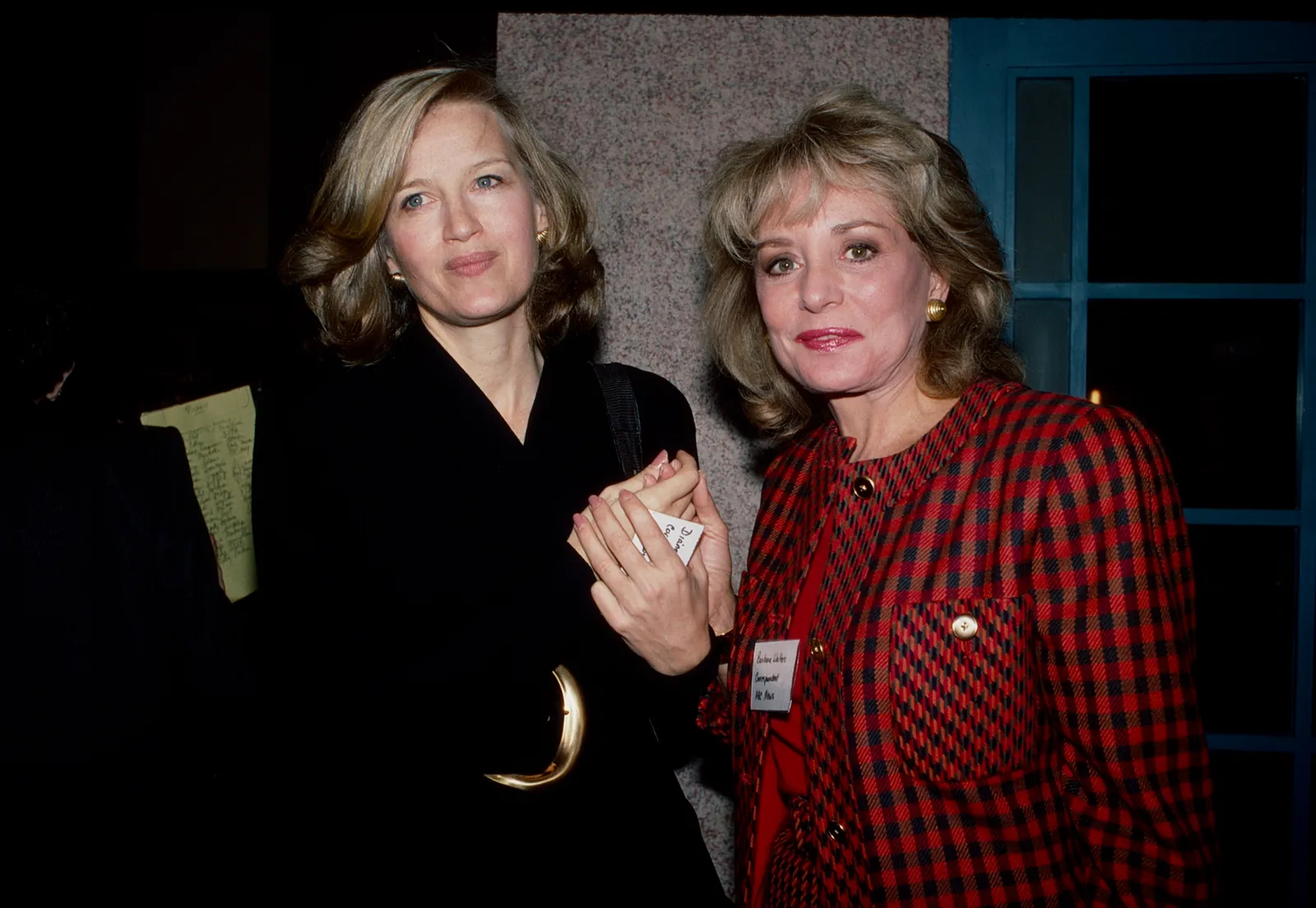 In the documentary, former 20/20 executive producer Victor Neufeld confirms that Walters was “unhappy” when Sawyer arrived on the scene, given their similar purviews. “Barbara watched Diane warily, because she was really in the same altitude as Barbara,” 20/20 producer Martin Clancy says in the film. “Other correspondents were not a threat. I think Barbara secretly resented Diane for being younger.”
Also a sore spot for Walters? Sawyer’s looks. “She was certainly dogged by Diane’s very existence. She often said Diane was the perfect woman,” says NBC’s Cynthia McFadden in the film. “She used the word ‘a blonde goddess.’ This was an ideal woman, and Barbara couldn’t compete with that. She could work harder. She could know more people. But she couldn’t compete with that.”
And Barbara even spills some tea on herself, opening up about her regrets on her relationship with her adopted daughter. Winfrey narrated a compelling segment where Walters once told Dolly Parton during an interview that becoming a mother was “the best thing I ever did,” she also admitted that she struggled to spend time with Jacqueline at the height of her career. And McFadden contributed an even more revealing nugget:
McFadden, herself an adoptee, was personally asked to interview Jacqueline for Walters’s 2001 special on adoption, “Born in My Heart: A Love Story.” “Jackie was about as different from her mom as it was possible to be,” McFadden says. In a clip from that interview, Jacqueline tells McFadden that “being the child of a famous woman” was harder than having been adopted.
“It’s important to say, Jackie had a father and Jackie had a governess, so it wasn’t that Jackie was left alone on a playpen” while Walters pursued her career, McFadden says in the doc. Still, “Barbara articulated many times that she’d made mistakes as a mother.”
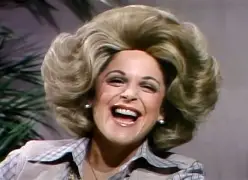 The closest I came to a face-to-face with her was an introduction at a party where she was on the arm of her then-husband, Lorimar-Telepictures czar Merv Adelson. The person who thought it was a good idea to disturb her remarked that I was a huge SATURDAY NIGHT LIVE fan and did what he thought was a great version of Gilda Radner’s “Baba Wawa” send-up that a decade earlier was all the pop culture rage. Red with embarrassment, I mumbled something to the effect that mine came out far closer to Elmer Fudd. “I’ve watched and respected you too long to even attempt it in front of you”, I confessed. She asked how that was possible, since at the time I was considerably younger. “Every day I was home sick from school I watched non-stop game shows, and your show was the one that was on right before that block began. And when you changed the name of it to NOT FOR WOMEN ONLY, I felt personally invited in”. She seemed to smile and then graciously moved along, much to the relief of both myself and the dope who bothered her in the first place.
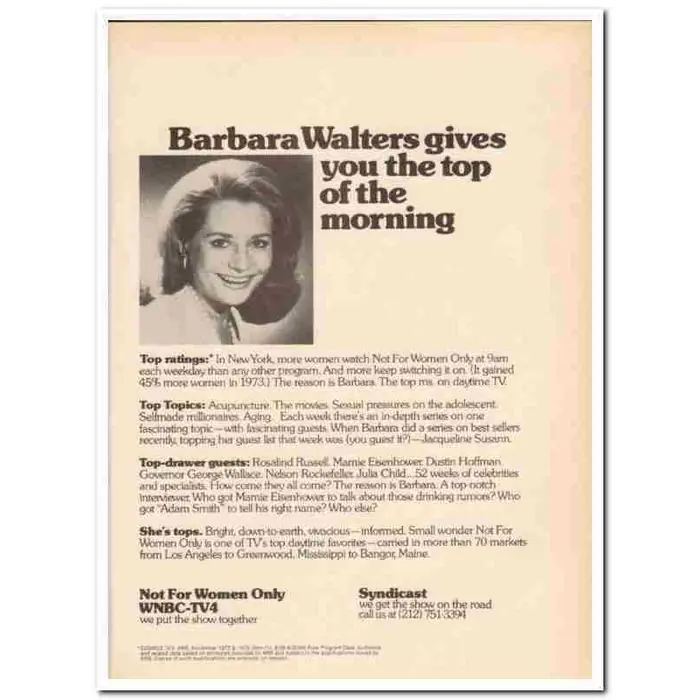 As you can see by the trade ad that took what was a local public affairs filler show nationwide once Walters became involved, I was a viewing anomaly. I personally can’t stand THE VIEW, particularly what it has evolved into since Walters’ 2014 retirement. But I greatly admire what she accomplished with it–both in consistently finding ways to put panels together than resonate, and in giving ABC affiliates a reason to carry the network in a time slot that they had otherwise punted for decades since they had LOVE BOAT reruns in the time slot.
If you take away nothing else from TELL ME EVERYTHING, you learn that Walters’ determination and boldness came from a place of authencity and vulnerability, and she demanded the same in return from her subjects and employees. And that’s worth 95 minutes of anyone’s time.
Until next time…