
As many regular readers know, I am an unabashed supporter of Rick Ellis and his TOO MUCH TV newsletters, mostly because unlike most of his contemporaries, especially those who cash checks from a conglomerate called Penske, he’s unabashed and unfiltered and, more than often, spot on. Someone who I dare say I share many of those qualities with, and he at least has a decently-sized megaphone to share his through.
So when he devoted a great deal of his Friday missive to lamenting about how Netflix goes about publicizing its content, it caught my attention. Mostly because it was the first time I learned that Netflix was staging what is apparently their version of D23. And it started out rather ominously with this clickbait-worthy headline and kicker:
Too Much TV: Let Me Tell You How Much I Hate Tudum
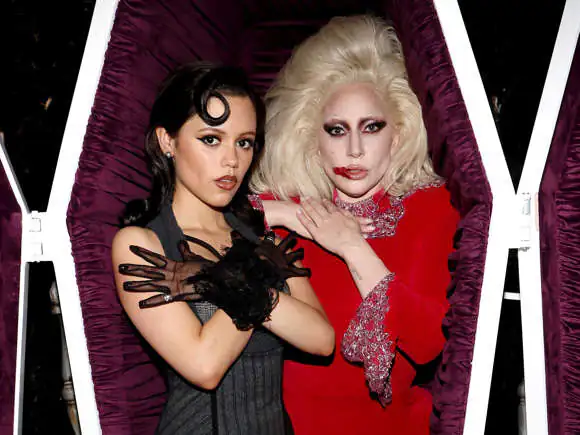 Netflix’s Tudum Live event takes place Saturday night. And it might as well be called “screw all you entertainment journalists
When he got into the meat of his argument, it’s pretty clear that the phrase “grinds my gears” would be an understatement:
Many Netflix executives believe deep down in their souls that reviews and most press coverage is at best a marginal help when it comes to promoting a show. They have a great deal more faith in the platform’s ability to push viewers to new shows and convince them to click and binge.
And you know what? That’s fine. I happen to think they’re wrong, especially when it comes to non-A list English language originals and most global titles. But that is something I can work with.
What continues to irritate me to the point of near anger is Netflix’s decision to launch a direct competitor to reporters like myself and then feed it “exclusives” ahead of all of us non-Netflix employees. Tudum.com is named after the sound subscribers hear when they log-in and while there isn’t much “reporting” to be found on the site, it is jammed with interviews, photos, video and other information about Netflix projects. And they generally have it before anyone else.
Receiving email blasts announcing a new Netflix original series, which includes a link to a Tudum story featuring exclusive photos and comments from the showrunner and actors just feels insulting. It’s a bit like receiving an email from your girlfriend asking you to promote the new project from her other boyfriend, who she sees before she comes over to your house.
And on Saturday, we will reach peak Tudum with the live event Tudum Live, Netflix’s global fan event which will take place at the Kia Forum in L.A. Saturday evening. It will also stream live globally on Netflix.
While I can sympathize with the concept of feeling screwed over–Rick apparently hasn’t tried to apply for a position in the industry at any point this decade–I do have to remind him that, as they often are, they are actually acting on data insights beyond their own platform that supports their ‘tude. Bill Frost of CABLETV.com penned a recap of a fairly comprehensive and unbiased study that addressed this seminal question–how does someone determine what they’re gonna watch? Aside from having scale (more than 1000 respondents), it also had substance, addressing both environmental and technological touchpoints and segmenting the results by a robust array of adult demos ranging from Gen Z to Baby Boomer.
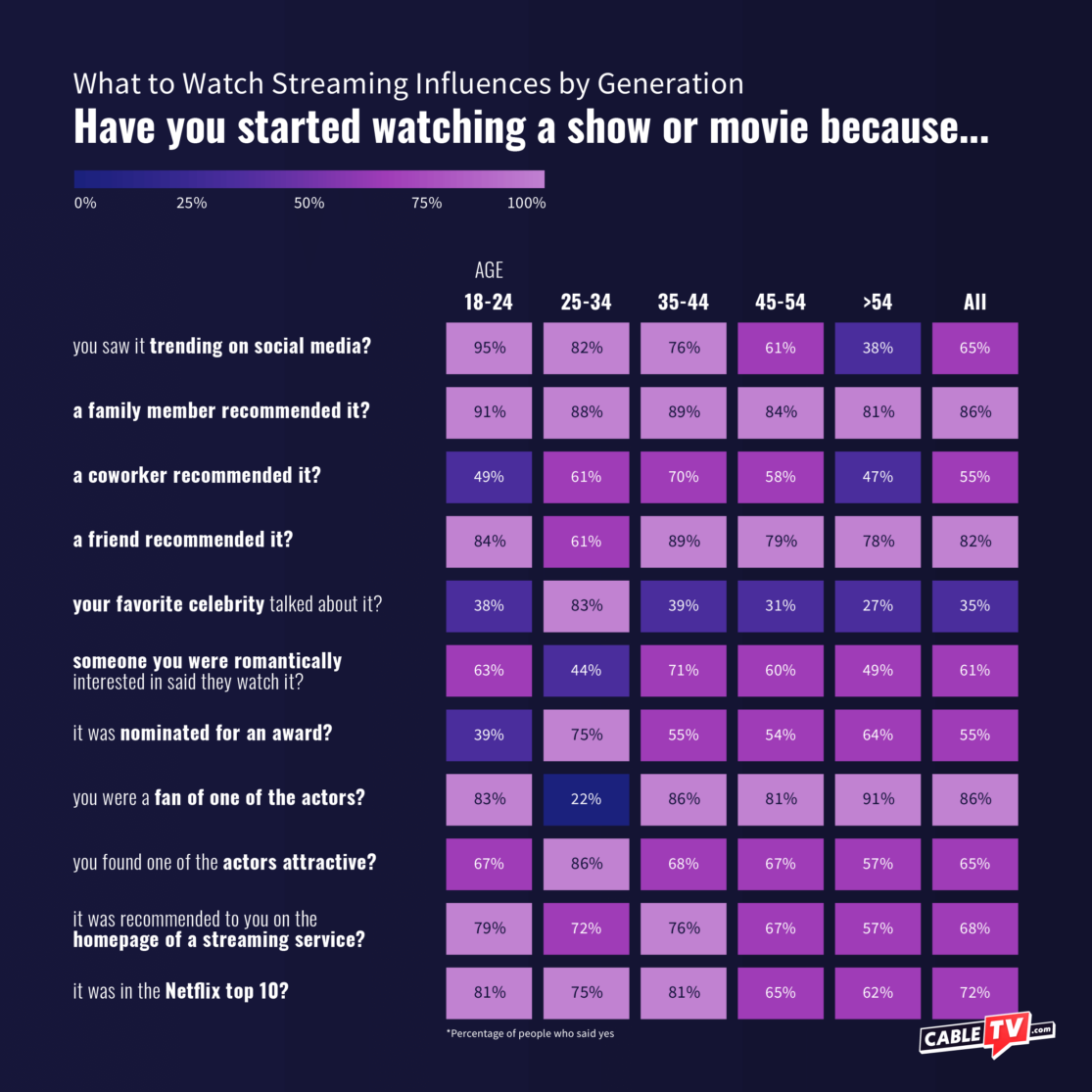 And as this handy chart strongly suggests, those influences trended toward hearing about it from a trusted friend, be it real ones among their human circle, or via social media (heavily driven by YouTube). And this summative point probably didn’t sit all that well with you, either:
We may think we’re passive TV viewers, but there’s more to what ends up on our screens than we realize. Critic’s recommendations and awards play a small factor, but we mostly rely on family, friends, and our own comfort radar to land on tonight’s binge-watch.
So when we wind up getting something like this which allows for even the busiest and more casual folks to merrily click through all that was dumped upon, exclusive or not, they’re following a winning playbook. Heck, they even registered pretty high in those rankings on the specific power of their own subscribers’ endorsement, particularly among folks younger than both of us. Making it all into a spectacle was a solid business move–as quoted by TECH CRUNCH’s Anthony Ha, the one responsible for it succinctly backed up their bravado:
Chief Marketing Officer Marian Lee boasted that no other studio would be able to put “all those fans in a room together: WWE fans next to ‘Knives Out’ fans next to Lady Gaga fans for ‘Wednesday.’”
And here’s the thing, Rick: They invested in people to make it all happen. Be they full-time employees or folks happy to work a gig as a gun for hire, they helped guide those diverse fans through the maze of the outdated Forum corridors. Proudly wearing Netflix IDs and fostering brand loyalty the way that studios used to.
Yet on the heels of this victory lap we got what the LOS ANGELES TIMES’ Meg James dropped into our inboxes yesterday morning:
Walt Disney Co. launched another deep round of layoffs on Monday, notifying several hundred Disney employees in the U.S. and abroad that their jobs were being eliminated amid an increasingly difficult economic environment for traditional television. People close to the Burbank entertainment giant confirmed the cuts, which are hitting film and television marketing teams, television publicity, casting and development as well as corporate financial operations.
The programming buildup accelerated as the company prepared to launch Disney+ in late 2019, and it bulked up its staff to handle the more robust pipeline. But the company has since retrenched, recognizing the need to focus on creating high-quality originals that meet Disney’s once lofty standards.
I suppose there’s a faction that would consider a live-action reboot of LILO AND STITCH as “lofty”–though I suspect most are far younger than even the CABLETV.com sample measured. But as you far more pointedly noted in last night’s newsletter, the standards of appropriate timing are apparently lost to the ages as well:
 On May 7th, The Walt Disney Co. reported a really strong fiscal Q2. Revenue was $23.62 billion, up 7%, for the quarter ending on March 29th. Disney posted a net income of $3.28 billion versus a net loss of $20 million in the year-ago period, which translated to adjusted earnings per share of $1.41 (up 20%).
And that led the company to….(checks notes to make sure…this can’t be right)…reportedly lay off hundreds of people globally across its entertainment divisions today. It’s not clear how many Disney employees have been affected, although I am hearing that marketing, PR, development, accounting and other back-office positions are the primary layoff targets.
You seem to be sanguine about the layoffs in marketing and PR, as you continued, it’s not as if Disney’s linear channels or streaming services have struggled to launch new programming.
Ah, but there’s the rub. Getting them launched is one thing–making them an event is another. D23 tends to hype projects from all over the company and conflates them with goings-on in theme parks and theatres. The same is true when Apple gives our TV+ folks a token ten minutes during WWDCs. Netflix is all about the shows and the fans and elevating both. And judging by just about every objective quantitative measure, they’re doing a waaay better job of it than anyone still standing at Mousechwitz has been doing lately–or will even get the chance to do going forward.
In his own newsletter from this morning, THE WAKEUP’s Sean McNulty spelled out exactly how self-destructive Disney has been over the past year and change:
This follows about 200 axings in March, mostly at ABC NEWS, but also at DISNEY Entertainment Networks (primarily in program planning and scheduling).
- This amounted to about a 6% staff cut between the two divisions.
While 2023 had the massive 7,000 DISNEY layoff, job trims were also layered throughout 2024 too:
- MAY ‘24: 175 people at PIXAR
- JULY ‘24: 140 people in July 2024 in the TV group
- SEPT ‘24: 300 people across many corporate roles.
- OCT ‘24: 75 people at ABC NEWS and local stations
I’d offer that trendline alone explains why Netflix has not only won the streaming “war”, they’re only cementing their dominance further by, sorry to say, bypassing the middle man.
As long as Netflix is actually using real people to do this rather than AI, they’ve got my support. I tend not to argue with success. My sage advice to you Rick, and so many other writers who would still like to see themselves as influential critics (and yes, I’m staring into the mirror as I type this) is to take Netflix up on their brand proposition’s suggestion. Chill.
Until next time…