
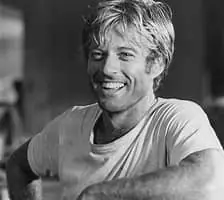
 The Sundance Film Festival, which wrapped up yesterday in the gloriously chic hamlet of Park City, Utah, is a throwback to far more significant and prosperous times in cinema history. When Robert Redford became one of the founders of what was first called the Utah/U.S. Film Festival in 1978, he was among the most bankable and signifcant lead actors in Hollywood, and theatrical films were the lifeblood of the studio system. These days, Redford’s pushing 90, essentially retired and theatrical films are for all intents and purposes an afterthought for the majority of the remaining media monoliths. And while the independent producers that fuel the content that Sundance has showcased remain as ambitious and as creative as ever, the economics of pursuing that path are arguably more challenged than ever.
Which is why while there were some excellent films that received accolade and even some robust bidding over the past ten days, perhaps the biggest story that stood out is the fact that after next year, Sundance may be on the move. AXIOS’ Maxwell Millington dropped an ominous story over the weekend:
New Sundance Institute CEO Amanda Kelso says “no matter where we go, Sundance will still be Sundance” as questions about its future host city loom. Utah locals have been advocating for the event to stay in Utah, but Sundance’s contract with Park City expires in 2026. The finalists are Boulder, Cincinnati and Salt Lake City/Park City.
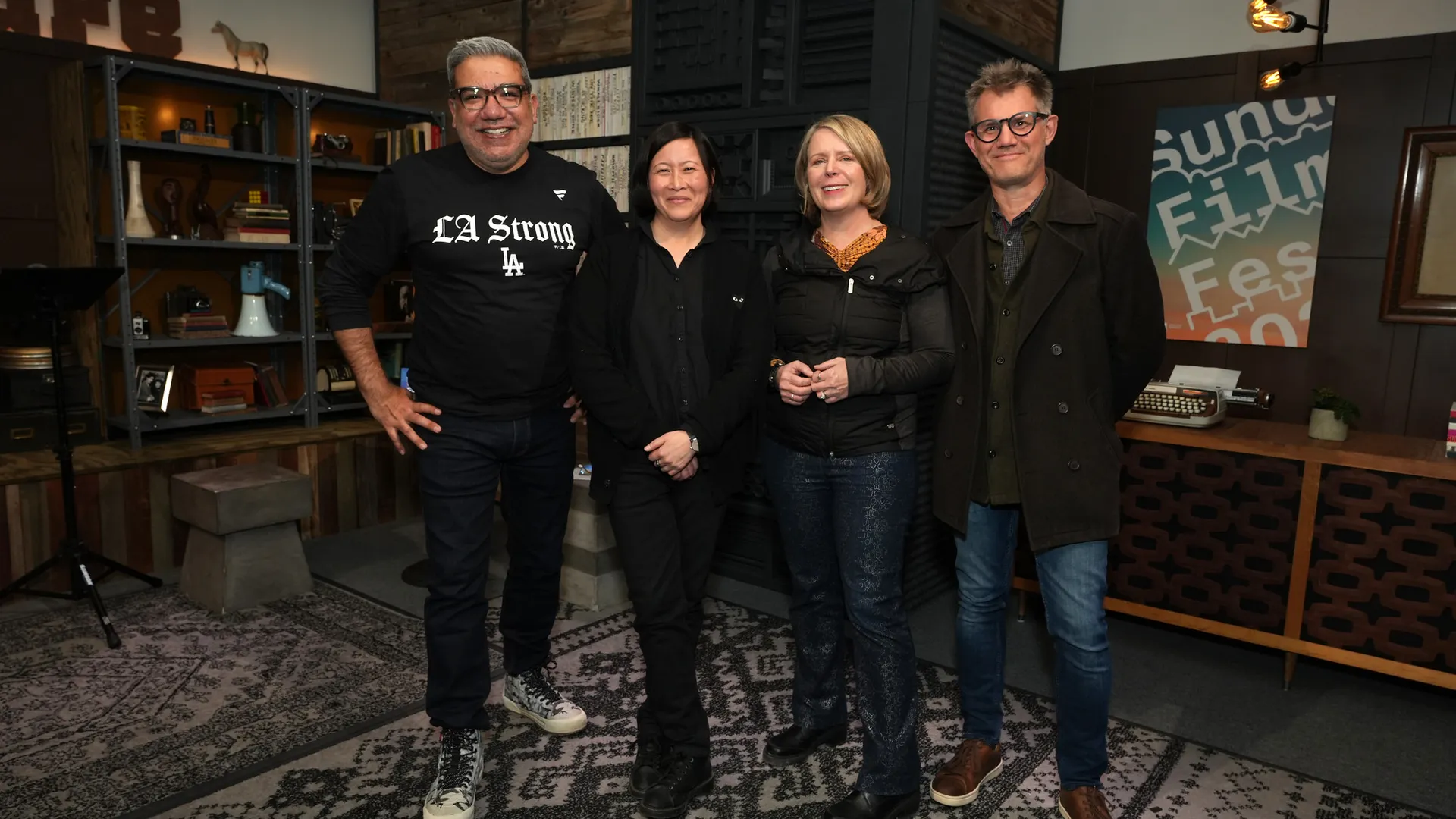 Kelso, who was named the Sundance Institute’s CEO in March, tells Axios the deciding factor in choosing a host city will be sustainability. “The accessibility component is something that we feel is important, not just to us, but also to the artists and the audiences who come to these festivals and we want to acknowledge that as well,” Kelso said. “It is expensive to put on a festival in a mountain town.”
That’s hardly encouraging for the folks in Utah and for that matter Boulder, because the last time I looked at a topographical map Colorado had a few mountains of its own. As to why Cincinnati has somehow emerged as a candidate to become a venue for artists, a story filed January 23rd by Giacomo Luca, a reporter for the city’s NBC affiliate WLWT-TV, sheds some light on that option:
Cincinnati Mayor Aftab Pureval and Film Cincinnati President Kristen Schlotman will attend the event. The visit will be an opportunity for the mayor to attend and experience the festival for the first time while continuing to build relationships with the Sundance Institute, according to a spokesperson for the mayor.
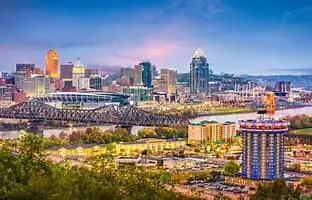 Hamilton County Commissioner Alicia Reece said if selected, the festival would cement the region’s role as a filming hub. Reece served as the interim director of Ohio’s first film office and developed the tax credits that have brought dozens of movie and television productions to Ohio over the last 15 years.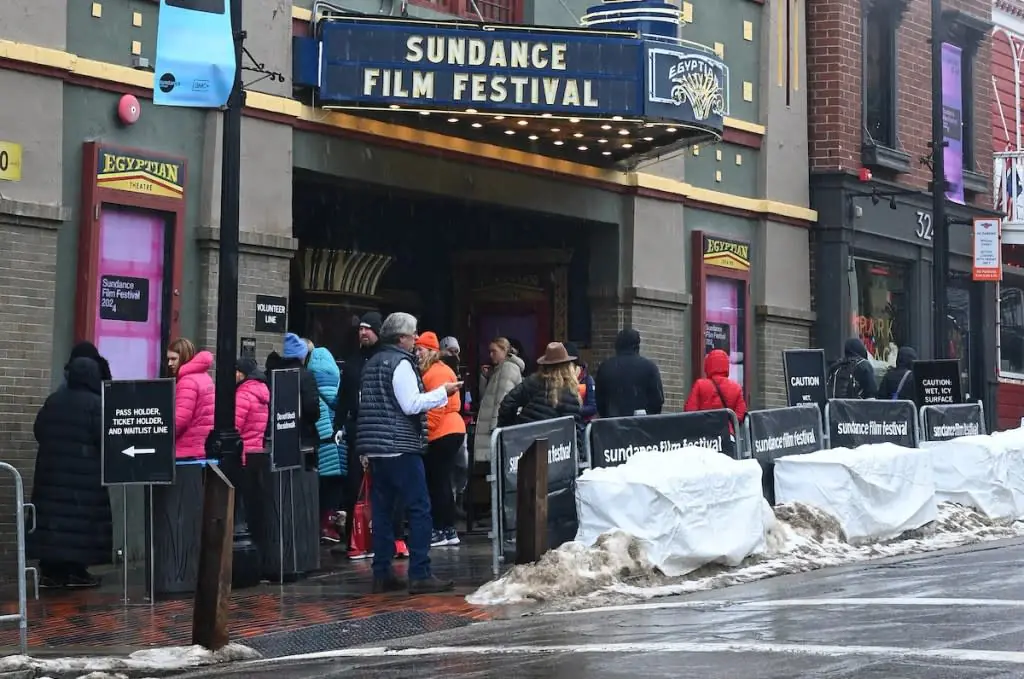
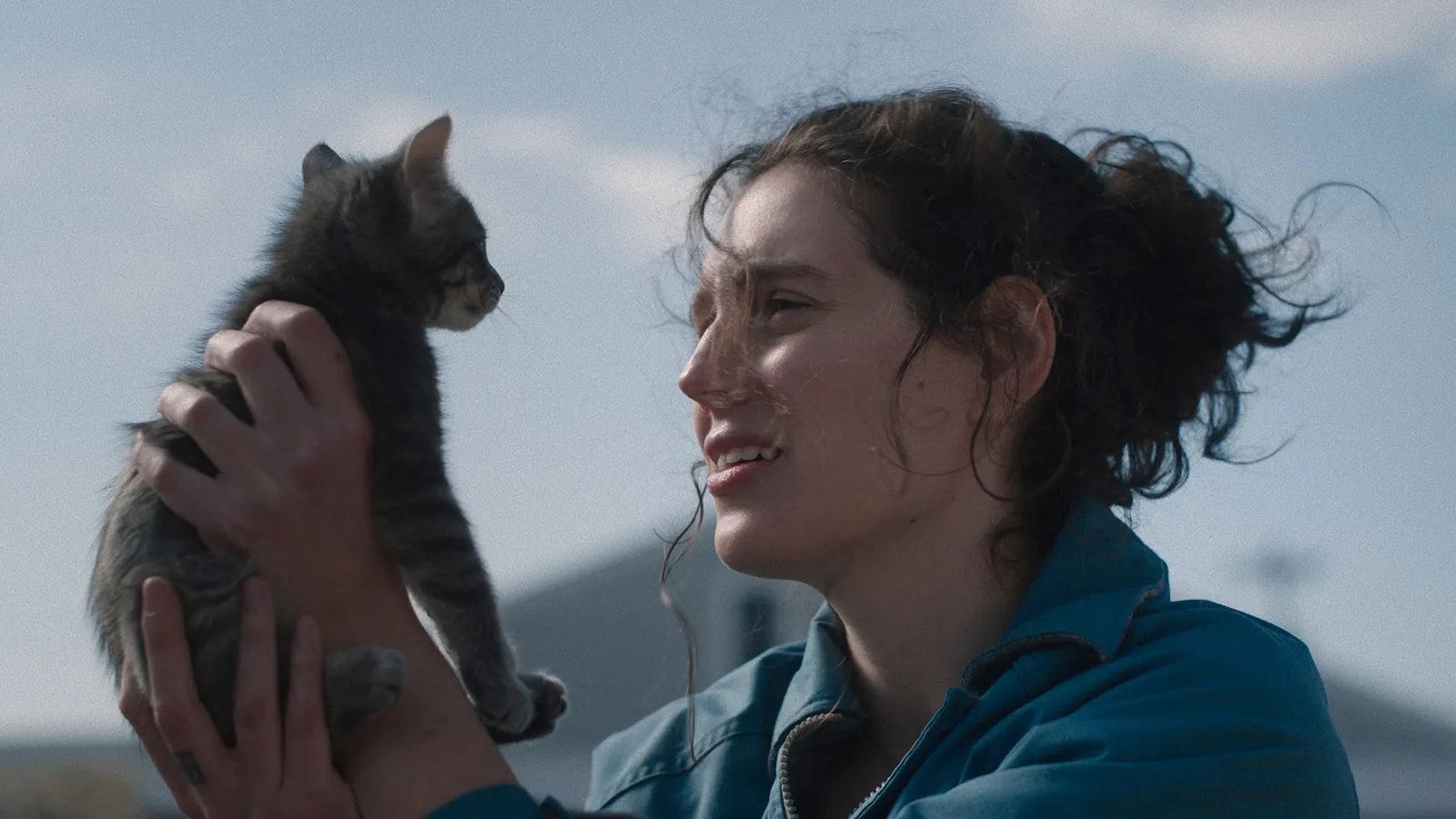 (N)othing handled grief with as much deftness and freshness as Sorry, Baby, the staggering debut by writer-director-star Eva Victor (who won the festival’s US dramatic screenwriting award). By turns extremely funny and gaspingly devastating, the perfectly calibrated film strikes surprising notes of humor and warmth amid the aftermath of a horrible incident at a bucolic New England college town. The performances are superb, from Naomi Ackie as the unwaveringly supportive best friend to the always impressive Lucas Hedges, and Victor is one of the few directors in competition this year with the acting chops to play a convincing lead. And it’s concise where many films at the festival could have used more vigorous editing; the journey of a pair of heavy boots reveals more—elegantly, succinctly, heartbreakingly—than any exposition could. I can’t wait to watch it again when it’s released by A24 (which acquired it on the final day of the festival).