
Like so many of you who apparently weren’t Jonesing to the celebration of whim and oligarchy that took place in frigid Washington, D.C. yesterday, a distraction was more needed than usual. Fortunately some astute folks at Peacock apparently foresaw that, or simply wanted to take advantage of a winter holiday weekend to showcase their latest well-produced and compelling documentary. Whatever the motivation, it worked.
As part of the celebration of SATURDAY NIGHT LIVE’s golden season (it’s not the actual 50th anniversary until October 11th) the streaming strutter dropped a deep dive look at the franchise that I was actually able to binge yesterday. It’s just four parts, and if you’re even a casual fan of the show. you’ll find something to like about it. As Christopher Rudolph wrote on NBC.com when the trailer dropped last month:
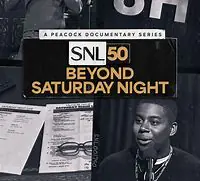 Executive-produced by Morgan Neville, the Academy and Emmy Award-winning filmmaker behind documentaries Piece by Piece and 20 Feet From Stardom, SNL50: Beyond Saturday Night features rare behind-the-scenes footage of the iconic late night series, celebrity interviews, and more than 60 contributors — including former cast members and writers — reflecting on working on the show.
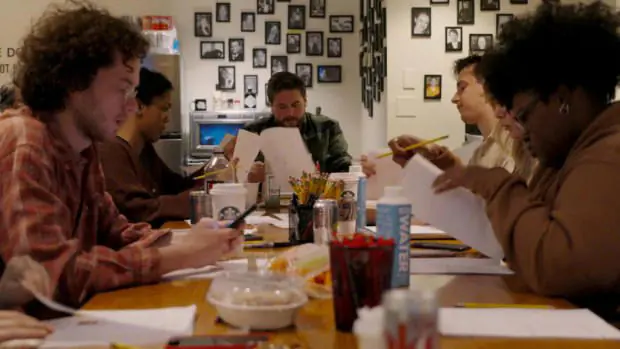
Each episode is a deep dive into a different aspect of SNL. One episode highlights what goes on in the SNL writers’ room during a show week, while another shares unseen audition footage. The third installment takes you deep inside the making of Will Ferrell‘s “More Cowbell” sketch, while the fourth highlights Season 11, which effectively changed the course of the series.
“I’ve been obsessed with Saturday Night Live as long as I can remember. For SNL50, I’ve been lucky to collaborate with some of my favorite independent filmmakers to tell some deeper stories of SNL,” Neville said in Peacock’s docuseries announcement. “Taken together, these standalone episodes give a new perspective of SNL and what makes it work.” (Watch the trailer below.)
I’m not quite up to Neville’s level of fandom, but I’m not far off. One truism that’s hammered home in these episodes is that one’s favorite cast tends to be the one that you watched while you were in high school. After all, in success the show was perhaps the embodiment of adolescent rebellion–edgy, risk-tasking and like almost nothing else available anywhere else. That was especially true of my high school years’ episodes, which just happened to be its earliest. As Jason Reitman’s film SATURDAY NIGHT chronicled when it dropped last fall, late Saturday night TV was a vast wasteland at that time. Reruns of Johnny Carson’s TONIGHT SHOW and occasionally some locally hosted horror movies were the only alternatives to mostly black and white movies, and when one actually is starting something resembling a social life and is allowed to stay up later as was the case with moi in that era you yearn for something more watchable. Its immediate success both in ratings and influence on cultural zeitgeist made it easier for ensuing generations of casts and viewers to find their own comfort zones.
There’s more than enough clips and memories in the miniseries to evoke such happy midnight snack memories, but rather than follow a pure “best of” format, Neville and his collaborators chose a more ambitious story-telling route ,as the TIMES OF INDIA’s reminded in its preview:
Each episode takes a closer look at specific elements of SNL’s production and milestones.
- Five Minutes, directed by Robert Alexander, explores the intense audition process, showcasing legendary cast members’ early experiences.
- Written By: A Week Inside the SNL Writers Room, directed by Marshall Curry, follows the creative process of turning a sketch idea into a live performance.
- More Cowbell, directed by Neil Berkeley, revisits one of SNL’s most famous sketches, sharing how it almost didn’t make it to air.
- Season 11: The Weird Year, directed by Jason Zeldes, highlights the show’s pivotal 11th season and how it redefined its format under creator Lorne Michaels.
 Neville expounded on his vision to THE WRAP’s Kayla Cobb in her piece dropped over the weekend:
“The idea of doing 50 years of ‘SNL’ in 90 minutes, it’s going to be a greatest hits clip show, which is not interesting to me…I always feel like the fool’s errand of a lot of storytelling is trying to be completist. Everything is reductive, but filmmaking is particularly reductive.”
“We tend to think of ‘SNL’ as one thing, but actually, it’s not at all one thing. It’s always been a variety of things…These [episodes] are really individualized stories that can stand on their own completely, but then collectively, they paint a bigger picture of ‘SNL.'”
The result is a series that feels as eclectic and interesting as “SNL” itself. One moment, “Beyond Saturday Night” is zooming in on all-star cast members as they squirm while watching their auditions. The next it’s diving headfirst into the iconic “More Cowbell” sketch, examining everything from how it impacted cowbell sales to why Will Ferrell changed his shirt between dress rehearsal and air.
I personally shared the enthusiast sentiment of THE NEW YORK POST’s Lauren Samer who devoted her piece to the Season 11 segment:
“That eleventh year was probably the biggest risk,” Tom Hanks, who was a host that season, said on-screen…“The division between what worked and what didn’t work – that was painfully obvious(.)”
After “SNL” mastermind Lorne Michaels created the show in 1975, he left in 1980 to pursue other opportunities – before returning five years later. Season 11 was his “clean slate,” when he got rid of the widely beloved Season 10 cast (which included Billy Crystal) and hired an entirely new young cast to mark his comeback.
Michaels filled the cast with several drama actors, including Randy Quaid, Robert Downey Jr., Anthony Michael Hall, and comedy actors such as Joan Cusack, Damon Wayans, Jon Lovitz, Danitra Vance, and first openly gay cast member Terry Sweeney.
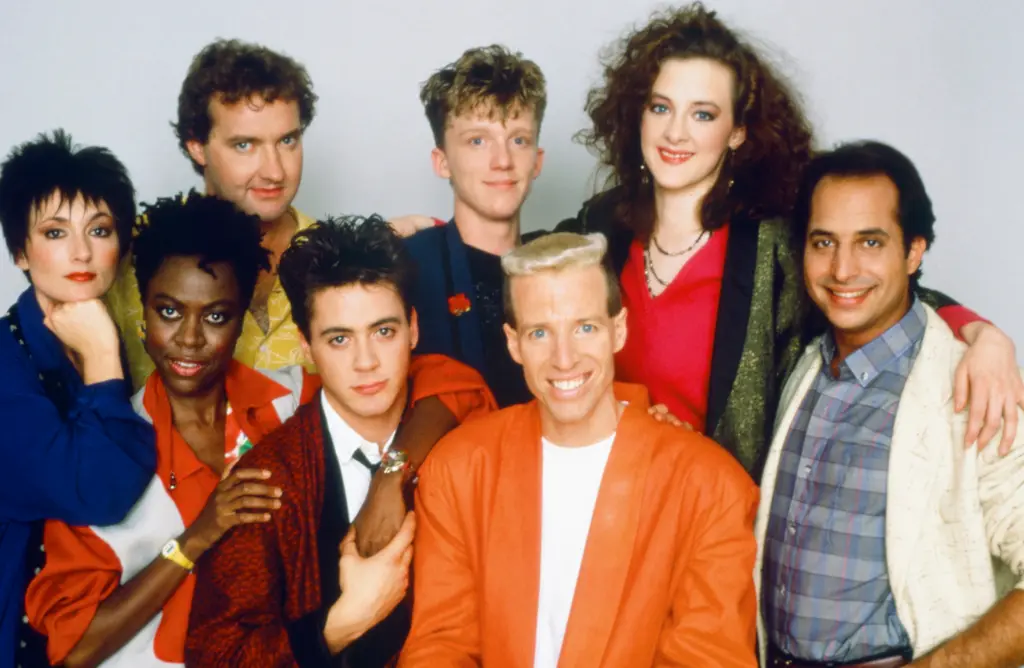 Michaels recalled wanting a “young” cast, but conceded that he perhaps went “too young.” At the time, Michaels thought he had “something to prove.” “I tried to find the people that I thought were the most talented, and I was starting from scratch.”
The cast members may have shined individually, but they didn’t gel into a group – and performers such as Oscar winner Downey Jr. weren’t playing to their strengths by doing ensemble sketch comedy. The first episode (hosted by Madonna) got scathing reviews, and ratings dwindled.
I vividly remember being disappointed by those efforts. I had just relocated to Los Angeles, and the show was to me no longer live. And with that move came my ability to finally be able to subscribe to cable, and there were a lot of other choices newly available to me that were funnier, more titillating and yes, livelier.
But as we know, out of the rubble of failure came some necessary lessons and awakenings. A scant few of the Season 11 cast members survived, including Lovitz, Nora Dunn and Weekend Update anchor Dennis Miller, and were then joined by such eventual legends as Dana Carvey, Phil Hartman and Kevin Nealon. The show again became buzzworthy and by then I had adjusted to my new time zone where I wasn’t so judgmental. I’ve been watching ever since, and when possible I now watch it live, since NBC finally realized that their West Coast affiliates couldn’t offer anything with quite as much upside in prime time as their East Coast feed.
They’ll be plenty more salutes and clip shows made available at various points this year, and of course you can always visit the SNL library on Peacock any time and watch any of the 939 episodes produced as of this writing you may find the desire to take a trip back to your high school days–or any era you may want to revisit. And while that volume may sound somewhat daunting, remember we’ve got (at least!) four more years of the sh-tshow that went down yesterday to look forward to. Some of us may need that many distractions and then some to get through it.
Until next time…